Why Some Smartphones Age Better Than Others ? Even With Similar Specs
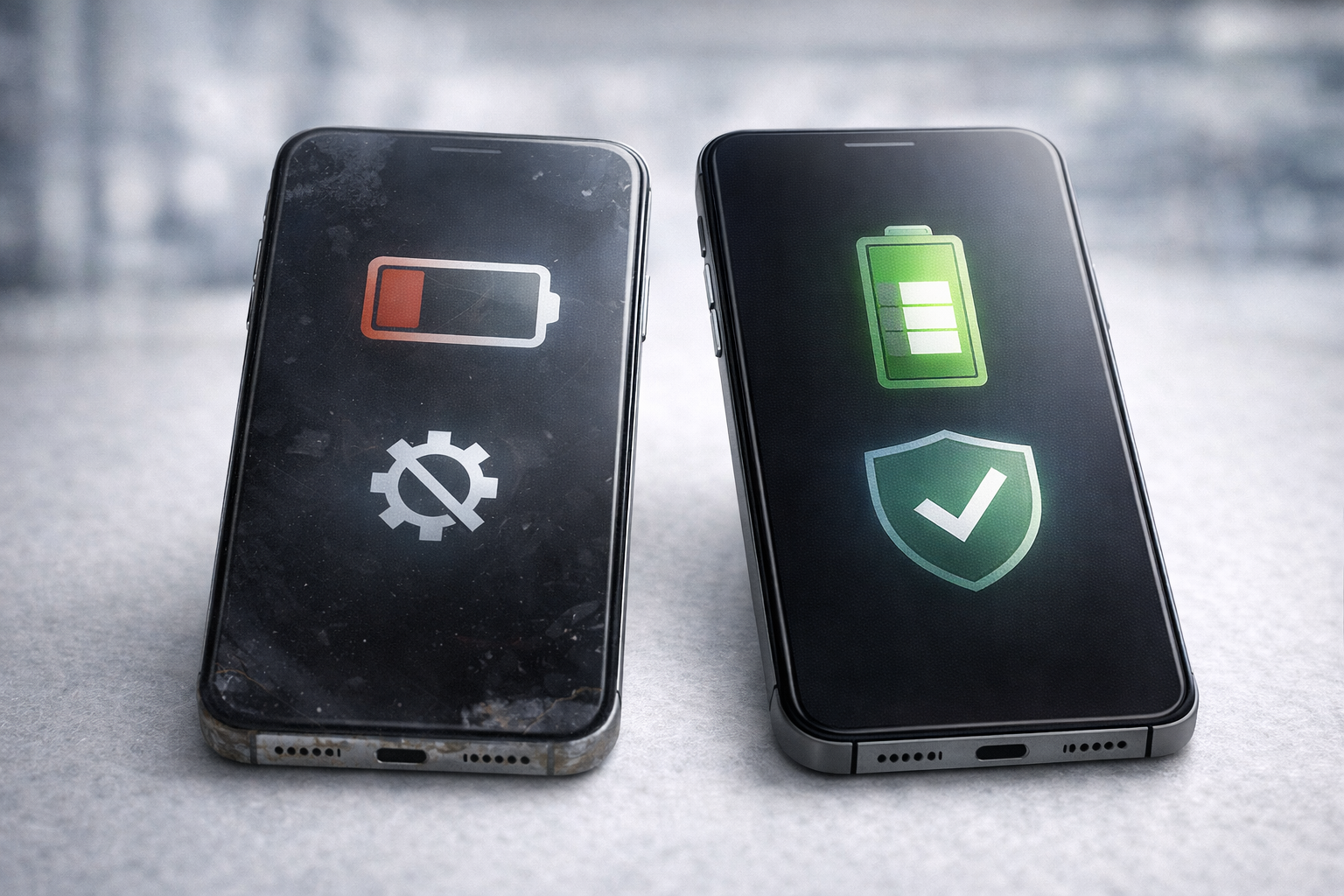
At first glance, many smartphones seem nearly identical. Similar processors, comparable camera systems, and almost the same display sizes make it easy to assume that two devices released in the same year will age in the same way. Yet in everyday use, some phones remain smooth and reliable for years, while others begin to feel outdated much sooner. The difference often has less to do with raw specifications and more with the decisions made behind the scenes.
One of the biggest factors influencing long-term performance is software optimization. A powerful processor means little if the operating system is not tuned to use it efficiently. Manufacturers that focus on stability and consistency tend to produce devices that feel faster over time, even when their hardware is technically less impressive. Smooth animations, balanced background processes, and controlled resource usage all contribute to how a phone ages in real-world conditions.
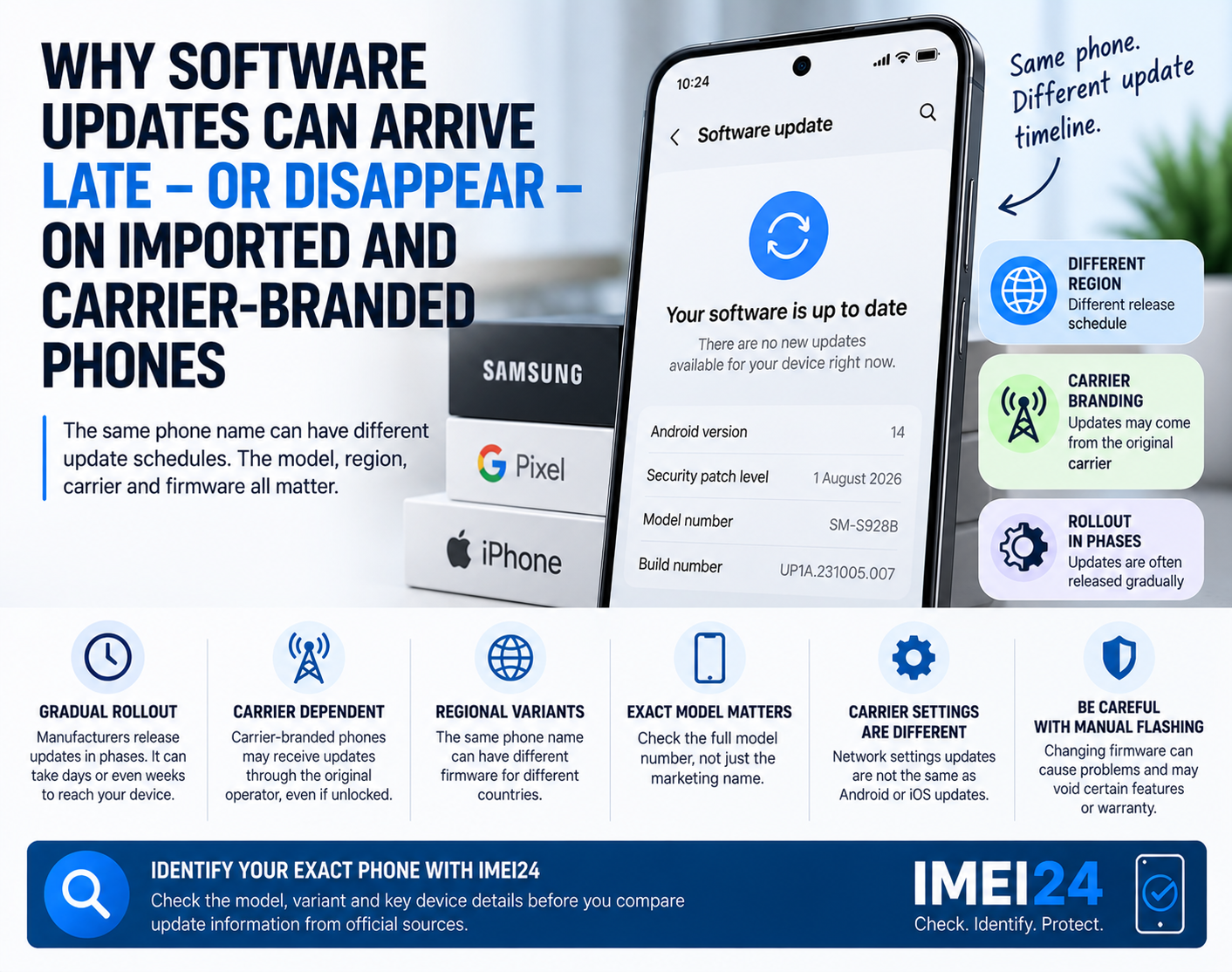
Update strategy also plays a significant role. Regular software updates can extend a device’s lifespan by improving security and refining performance. However, not all updates are equal. Some manufacturers prioritize long-term stability, while others focus on adding new features that may increase system demands. Over time, this difference shapes how responsive a phone feels and how well it adapts to changing user expectations.
Battery quality and energy management are another hidden factor. Two phones may have the same battery capacity on paper, but their longevity depends on thermal design, charging behavior, and internal power optimization. Devices that manage heat effectively tend to preserve battery health longer, which directly impacts everyday usability. A phone that holds a stable charge often feels newer than one that requires constant charging, regardless of its technical specifications.
Storage performance is often overlooked as well. Faster and more reliable memory components help maintain consistent performance over time. As apps grow larger and systems become more complex, storage speed influences how quickly apps open and how smoothly multitasking works. Even a small difference in storage technology can shape how a device feels after months or years of use.
Build quality and internal engineering also matter more than many users realize. Subtle choices in cooling design, component layout, and material quality influence durability. Phones designed with long-term stability in mind often show fewer slowdowns or hardware-related issues as they age. These details rarely appear in marketing materials, but they become noticeable through daily experience.
User habits add another layer to the equation. Charging routines, storage management, and app usage patterns can accelerate or slow down aging. A well-maintained phone with moderate usage may outperform a newer device that is constantly pushed to its limits. Over time, the way a device is used becomes just as important as the hardware inside it.
Interestingly, perception plays a role too. Devices that deliver consistent performance tend to feel more trustworthy, even if they lack flashy features. Stability creates a sense of longevity, while frequent glitches or performance drops can make a phone feel outdated long before it actually is.
As the smartphone market matures, aging gracefully is becoming more valuable than achieving peak performance at launch. Users are keeping their devices longer, and reliability over time is starting to outweigh raw power in purchasing decisions. Manufacturers that focus on balance rather than extremes often create devices that remain enjoyable long after their release.
In the end, smartphones age differently because longevity is shaped by a combination of software philosophy, engineering choices, and everyday usage. Two devices may share similar specifications, but the experience they deliver over time can be dramatically different. Understanding these subtle factors helps explain why some phones continue to feel modern while others fade into the background much faster.