What Activities Work Better on Phones (And Which Don't)?
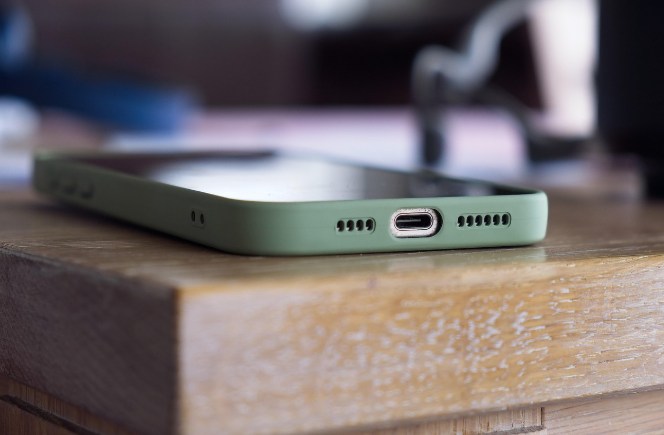
If you watch people for a day, you notice tiny habits that add up. A phone is picked up without much thought, a pocket act that happens while walking, waiting, or between tasks. A desktop sits in one place, silent until someone clears a space and logs in. This is not decided in a meeting. It grows from small repeated choices, little conveniences that matter more than big features. Over time, devices carve out roles: phone for quick, desktop for long. That pattern shapes what people expect from each tool, and it quietly pushes behavior in different directions.
How Mobile Entertainment Fits Into Daily Routines
Some forms of digital entertainment are better suited to desktops, where a larger screen, precise controls, and a focused environment support deeper engagement. Watching a full-length movie, exploring interactive educational content, or managing detailed creative projects are experiences that benefit from a desktop’s stability and space. These activities demand intention and attention, making them less compatible with the quick bursts of time a phone allows.
Mobile entertainment, in contrast, thrives in the gaps of daily life. Short clips, streamed episodes, and casual browsing slip easily into moments that would otherwise be empty. For people who check sports markets while scrolling, mobile feels seamless. Resources like eSportsInsider’s list explain which platforms take privacy and localization seriously and how they cover a wide range of sports and markets. On a desktop, the same activity becomes more deliberate; something scheduled rather than folded into a five-minute break between errands.
Why Phones Win the Short Moments
Phones tend to win because they remove friction. They wake, respond, and then sleep again without bothering you. That makes them perfect for brief interactions like checking a text, quickly looking up a recipe step, or finding a bus stop. Desktops do the job perfectly well, but they ask for time and a place. People often do not want to interrupt what they are doing to sit down. So the phone becomes the default for a hundred small decisions during the day. Eventually, those small choices stack up and change how people think about tasks and time.
Quick Games and Streaming Match the Phone’s Tempo
Phones and quick games are a good match because both accept interruptions. A level played in five minutes, a short stream watched on the subway, a brief match in between work calls; those are the moments phones were built to fill. Desktops offer deeper immersion, true, with larger displays and richer sound. But they require more setup and an intention to stay put. Phones are portable and forgiving. You can jump in and out without feeling like you abandoned something. That flexibility makes mobile entertainment a first choice for low-commitment moments.
Desktops Stay Strong for Work That Needs Attention
When a task demands extended focus, a desktop often feels like the sensible option. Multiple windows, bigger displays, and a full keyboard reduce friction for long writing sessions, data work, or projects that need detail. Phones can handle quick edits or replies, but after a while, the screen feels small and the interface limits movement. Sitting at a desktop signals a different mode: you have time and space to think. People keep a desktop for those times that need continuity. The device supports longer concentration and a steadier workflow in ways a pocket device cannot replicate.
Creative Projects Depend on Room and Control
Video timelines, layered graphics, and complex audio mixes show their seams on small screens. Samsungs and iPhones can capture ideas and handle lightweight edits, but professional creative work benefits from more room. Precision tools, keyboard shortcuts, and tactile controls matter when you are finessing a project. A desktop lets you zoom, compare, and tweak without the frustration of cramped controls. Many creators use phones to record, then move to desktops to craft. That back-and-forth is useful, but the careful, patient adjustments belong on a system that gives you space to work.
Phones Change the Shape of Conversation
Most social interaction now happens on the phone because it travels with you. Sending a photo at the moment, replying with a voice note, or hopping into a quick video call all feel immediate. That immediacy alters tone and timing; conversations become more fragmented, more present, and less formal. Desktops still host longer messages, structured emails, and big video meetings, but they often miss the small, in-the-moment exchanges that make up daily life. Phones make passing along a thought or a quick reaction into something you can do while standing in line. That quality impacts how people talk and how quickly they respond.
Comfort Makes a Big Difference for Long Sessions
Phones are amazingly convenient, but convenience does not equal comfort. Hold a phone too long, and your hands, neck, and eyes protest. Desktops, when set up thoughtfully, spread load across posture, screen distance, and keyboard ergonomics. For reading long documents, editing, or extended gaming sessions, the desktop reduces strain. The physical arrangement matters almost as much as the software. People notice the difference after a few hours. Phones excel for short, repeated use, but when time stretches, a desktop usually feels like the kinder option for body and attention.
Privacy and Security Play Out Differently Across Devices
Phones use biometric locks, app permissions, and sandboxed behavior that make everyday security feel easy. They stay with their owners and tend to lock automatically. Desktops let you control networks, firewalls, and storage in more granular ways, which can matter for sensitive projects. Neither device is categorically safer. Security depends heavily on habits: which apps you install, whether you update, and how carefully you manage accounts. People often split trust (personal accounts on phones, large archives or professional work on desktops), and that informal division reflects how the devices are treated.
Conclusion
Phones and desktops do different things well because people use them differently. Phones fit the scattered rhythms of modern life, handling quick checks, short entertainment, and instant messages that arrive at odd times. Desktops take on the projects that need steady attention, room to breathe, and physical comfort. Most users rely on both without thinking about it, grabbing the one that matches the moment. The devices complement one another more than they compete. What matters more than features is how each tool fits into the small choices people make all day, every day.