Why Smartphones No Longer Feel "New"? Even When They Are
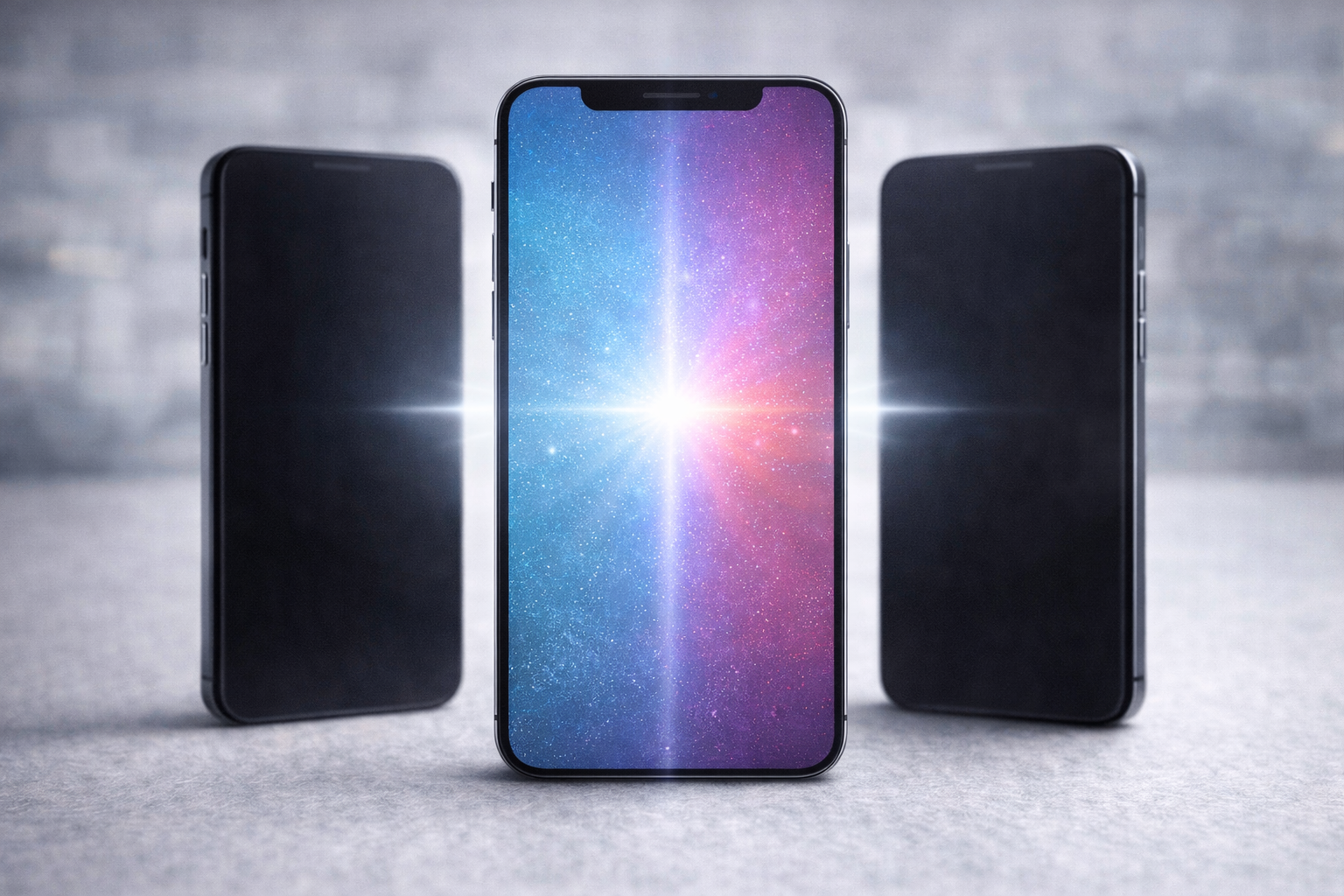
Not long ago, buying a new smartphone felt like a major technological leap. Each generation introduced noticeable design changes, faster performance, and features that clearly separated new models from older ones. Today, many users experience something different. Even when they upgrade to a brand-new device, the feeling of novelty often fades quickly. The phone is technically better, but it doesn’t always feel dramatically new.
One of the biggest reasons behind this shift is design maturity. Smartphone shapes, materials, and layouts have reached a point where major changes are rare. Large displays, thin bezels, and minimal physical buttons have become standard across most brands. Instead of reinventing the look of devices every year, manufacturers now focus on refining details that are subtle rather than obvious.
Hardware Innovation vs Software Evolution
Another factor is the transition from hardware-driven innovation to software-driven improvement. In earlier years, faster processors and better cameras created visible differences. Today, many improvements happen quietly through artificial intelligence, background optimization, and system-level enhancements. These changes make phones more efficient and capable, but they are not always immediately noticeable to everyday users.
Performance itself has reached a plateau for common tasks. Messaging, browsing, navigation, and streaming run smoothly even on mid-range devices. Because modern phones already exceed the needs of most users, additional processing power does not always translate into a dramatic real-world upgrade. The result is a feeling that new devices are only incremental steps forward rather than revolutionary changes.
The Role of Camera Technology
Camera technology illustrates this evolution clearly. Image quality continues to improve, but much of the progress comes from computational photography rather than new hardware. Software adjustments enhance color balance, exposure, and detail automatically. While the results are impressive, they often feel like refinements rather than breakthroughs, especially when viewed on small screens.
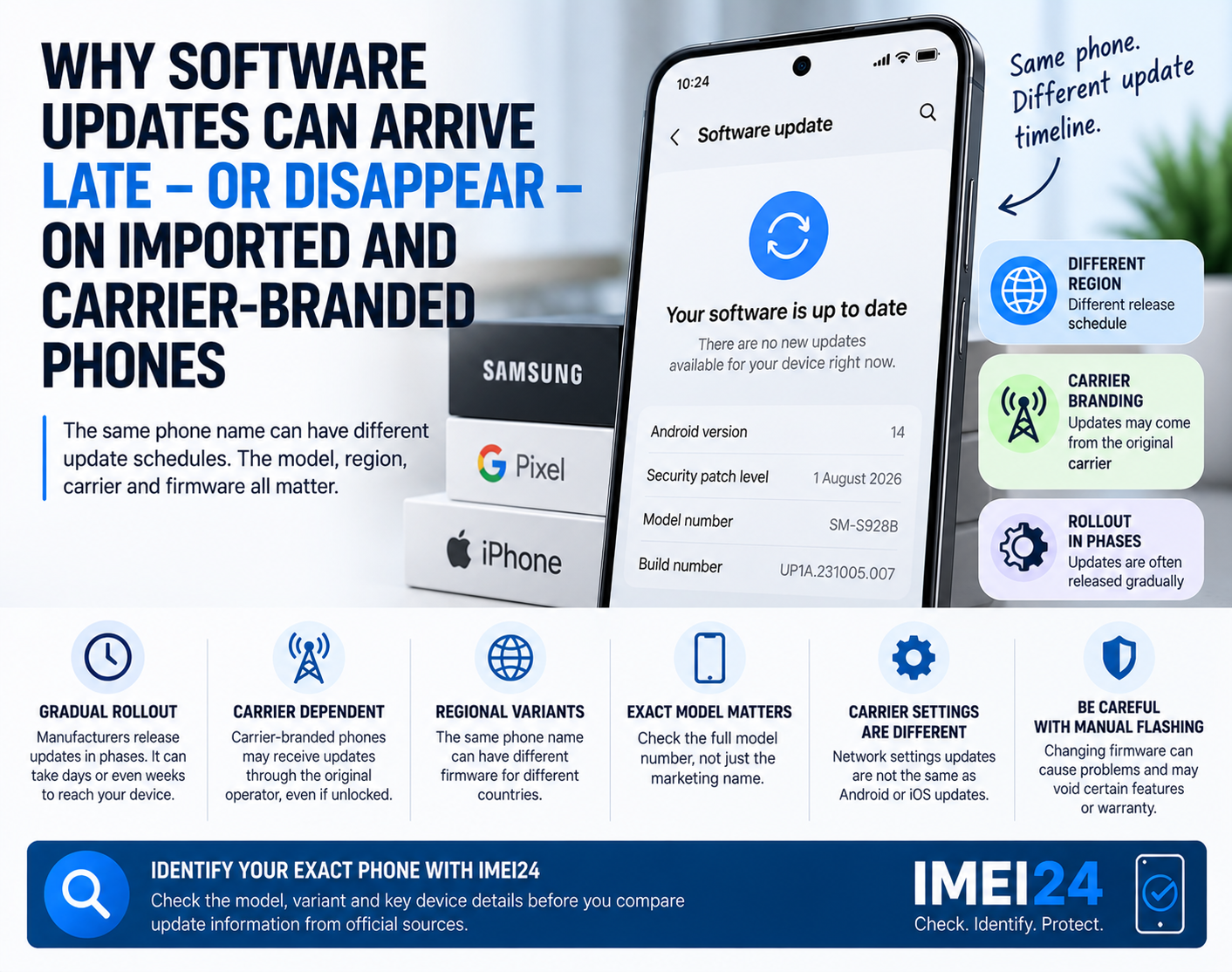
Software updates also play a role in reducing the “new phone” effect. Older devices receive regular updates that introduce features once reserved for new models. As a result, the gap between generations narrows. A two-year-old phone may look and behave very similarly to a newly released one, which changes how users perceive value and innovation.
Changing Consumer Expectations
Consumer habits have evolved as well. More people are keeping their devices longer, focusing on reliability instead of chasing the latest release. Environmental awareness, rising prices, and longer support cycles all contribute to this shift. When upgrades happen less frequently, expectations grow higher — and incremental improvements may feel underwhelming compared to the anticipation surrounding a new purchase.
Interestingly, the lack of dramatic change is not necessarily a negative development. It reflects a mature industry where stability and refinement are prioritized over constant reinvention. Modern smartphones are more reliable, secure, and efficient than ever before, even if the changes are less visible on the surface.
What Comes Next for Smartphones?
Looking forward, innovation may continue to move in quieter directions. Better battery management, improved privacy features, and deeper ecosystem integration could define the next stage of mobile technology. These advancements may not always feel exciting at first glance, but they shape how devices fit into daily life.
In the end, smartphones no longer feel entirely new because they have reached a level of consistency and maturity. The excitement of visible transformation has been replaced by gradual evolution. While this may change how upgrades are perceived, it also means that today’s devices are more refined, dependable, and integrated than any generation before them.