Why Smartphones Are Becoming More Boring? And Why That's Actually Good
Not long ago, each new smartphone launch felt like a technological spectacle. Foldable experiments, curved displays, modular concepts, and bold design changes created a sense of rapid transformation. Today, that excitement seems more restrained. New devices look familiar, upgrades feel incremental, and many users describe modern smartphones as “boring.”
Yet this perceived boredom may actually be a sign of maturity rather than stagnation.
The End of Dramatic Hardware Experiments
The early years of smartphone innovation were defined by experimentation. Manufacturers tested new materials, unusual shapes, removable parts, and mechanical camera systems. Some ideas were groundbreaking. Others disappeared quickly.
Over time, the industry gravitated toward designs that proved reliable and practical. Flat displays, durable glass, minimal buttons, and consistent camera layouts became the norm. Instead of reinventing the device every year, companies now refine what already works.
What feels repetitive is often the result of optimization.
Performance Has Reached Everyday Saturation
Modern smartphones are incredibly powerful. Even mid-range models handle daily tasks — messaging, browsing, video streaming, navigation — without difficulty. Because performance already exceeds typical needs, additional processing improvements are less visible to users.
In earlier generations, speed differences were obvious. Today, upgrades happen in milliseconds rather than seconds. The experience remains smooth, but the dramatic leap is gone.
This shift reduces the “wow factor,” but it also means users enjoy consistently strong performance across devices.
Innovation Moved Below the Surface
While hardware design appears stable, innovation has not stopped. It has simply moved inward. Battery management systems are smarter. Security architectures are more advanced. AI processing handles image optimization and background tasks more efficiently.
These improvements are subtle. They rarely change how a phone looks in your hand, but they shape reliability, privacy, and long-term usability.
The excitement of visible transformation has been replaced by invisible refinement.
Stability Over Surprise
Consumers increasingly value predictability. Reliable updates, consistent battery life, and stable software matter more than experimental features that may disappear next year. As smartphones become central to work, finance, and communication, stability outweighs novelty.
A device that simply works — every day, without unexpected issues — may not generate headlines, but it creates trust.
Longer Lifecycles Change Expectations
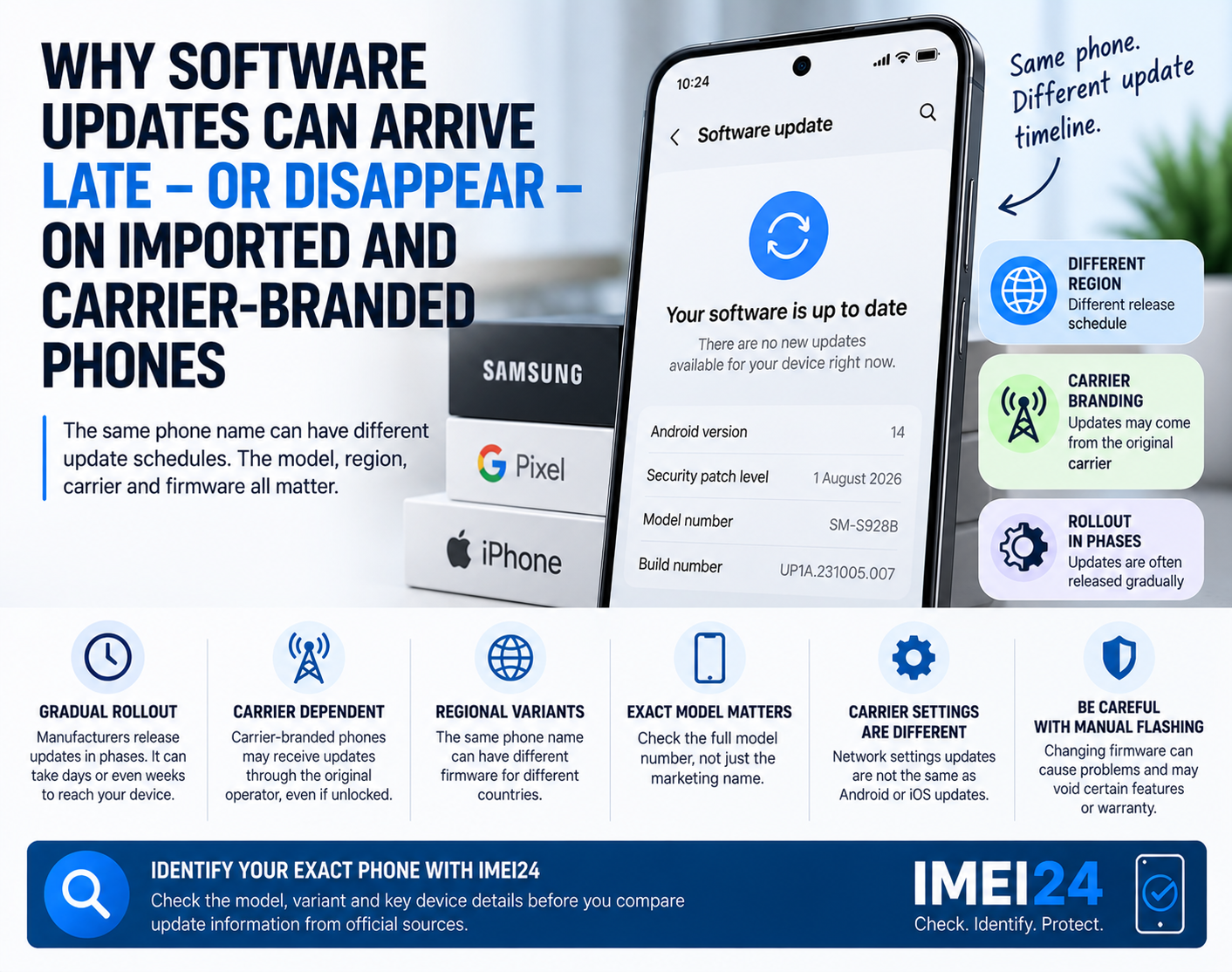
Another reason smartphones feel less exciting is that people keep them longer. With improved build quality and extended software support, devices remain usable for several years. When upgrades happen less frequently, expectations rise. Incremental changes feel smaller because the previous device was already capable.
This reflects a maturing market where refinement replaces rapid reinvention.
Boring as a Sign of Maturity
In many industries, stability marks the transition from innovation to infrastructure. Electricity, the internet, and GPS technology are not considered exciting, yet they are essential. Smartphones may be entering a similar phase — no longer experimental gadgets, but dependable digital tools.
When a technology becomes predictable, it often means it has reached a level of reliability that users can depend on without thinking about it.
What This Means for the Future
Future smartphone progress may focus less on dramatic redesigns and more on efficiency, sustainability, and integration. Better energy management, improved privacy systems, and seamless connectivity across ecosystems may define the next stage.
These changes may not look revolutionary, but they shape how devices fit into daily life in increasingly meaningful ways.
Conclusion: Less Flash, More Function
Smartphones may feel more boring today, but that boredom reflects refinement rather than decline. Instead of chasing radical experiments, manufacturers are perfecting reliability, performance, and ecosystem integration.
What once felt like a fast-moving race has become a steady evolution. And in a world where smartphones are central to nearly everything we do, stability may be more valuable than spectacle.