Is your second-hand smartphone actually safe to use?
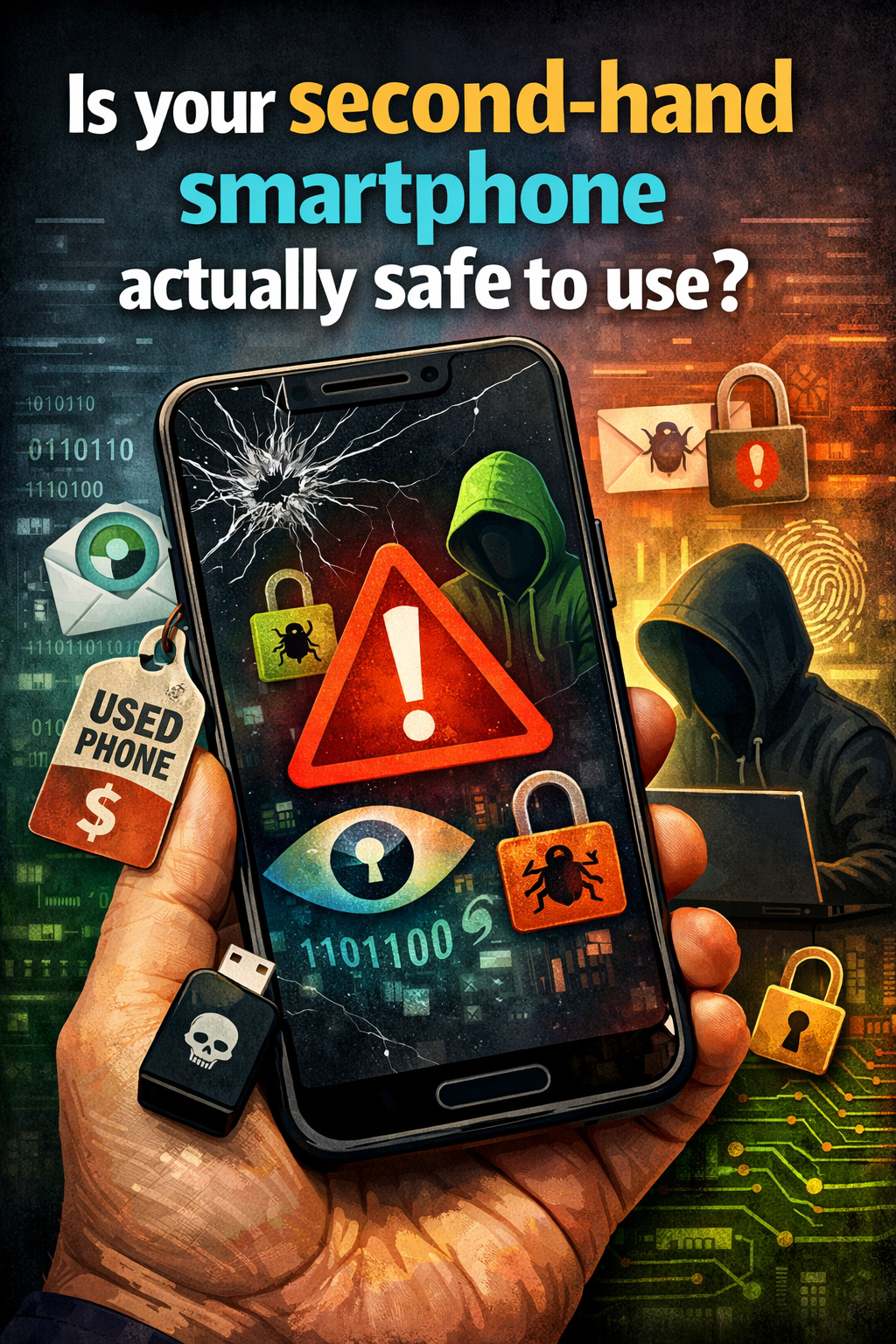
The global market for pre-owned smartphones has exploded in recent years, driven by rising flagship prices and a growing consumer desire for sustainable technology. For many buyers, purchasing a refurbished or used device is a financially savvy decision that allows access to high-end features without the exorbitant price tag of a brand-new unit. However, the allure of a bargain often obscures a complex reality where physical appearance does not always equate to operational safety. While a device may look pristine on the outside, with a scratch-free screen and a polished chassis, the internal software and network status may tell a completely different and far more concerning story.
As our reliance on mobile devices deepens, the security of the hardware we carry becomes paramount. We entrust these pocket-sized computers with our most sensitive data, from biometric fingerprints to banking credentials and private correspondence. Users who prioritize digital safety, whether they are conducting business transactions or looking for some of the best options online for gambling, operate under the assumption that their device is a secure fortress. Unfortunately, in the secondary market, this assumption can lead to severe privacy breaches if the hardware has been compromised or lacks essential security protocols.
The reality is that the second-hand market is a mix of legitimate bargains and potential security nightmares. Without rigorous verification, buyers risk acquiring devices that are functionally obsolete due to software abandonment or, worse, devices that have been flagged for illicit activity. Understanding the distinction between a physically intact phone and a digitally secure one is the first line of defense for any consumer looking to buy used in 2026.
Identifying invisible risks in pre-owned mobile devices
The most significant danger in the second-hand smartphone market is not a cracked screen or a degrading battery, but rather the invisible threat of outdated software. When manufacturers stop releasing security updates for older models, those devices become static targets for cybercriminals who exploit known vulnerabilities. Recent investigations have highlighted this growing crisis, revealing that approximately 30% of second-hand smartphones are vulnerable to hacking because they no longer receive manufacturer security support. This means that nearly one in three used phones sold today could potentially expose the user's personal data to theft simply because the operating system cannot patch new threats.
This issue is particularly prevalent with devices that are several years old but still widely available in the resale market. Popular models from major manufacturers often remain in circulation long after their "End of Life" (EOL) date has passed. While these phones may still function perfectly for making calls or taking photos, they lack the defensive architecture required to repel modern malware and phishing attacks. Sellers often fail to disclose this support status, focusing instead on the cosmetic grade of the device. Consequently, a buyer might purchase a "Grade A" refurbished phone, unaware that it is digitally defenseless against current cyber threats.
Furthermore, the risk extends beyond just official support timelines. Pre-owned devices may harbor residual data from previous owners or, in more malicious cases, pre-installed spyware designed to harvest data from the new user. Without a complete factory reset and a deep software inspection, there is no guarantee that the device is truly "clean." This software rot is invisible to the naked eye, making physical inspection a completely inadequate method for assessing the true safety of a second-hand purchase.
Why checking the IMEI number is non-negotiable
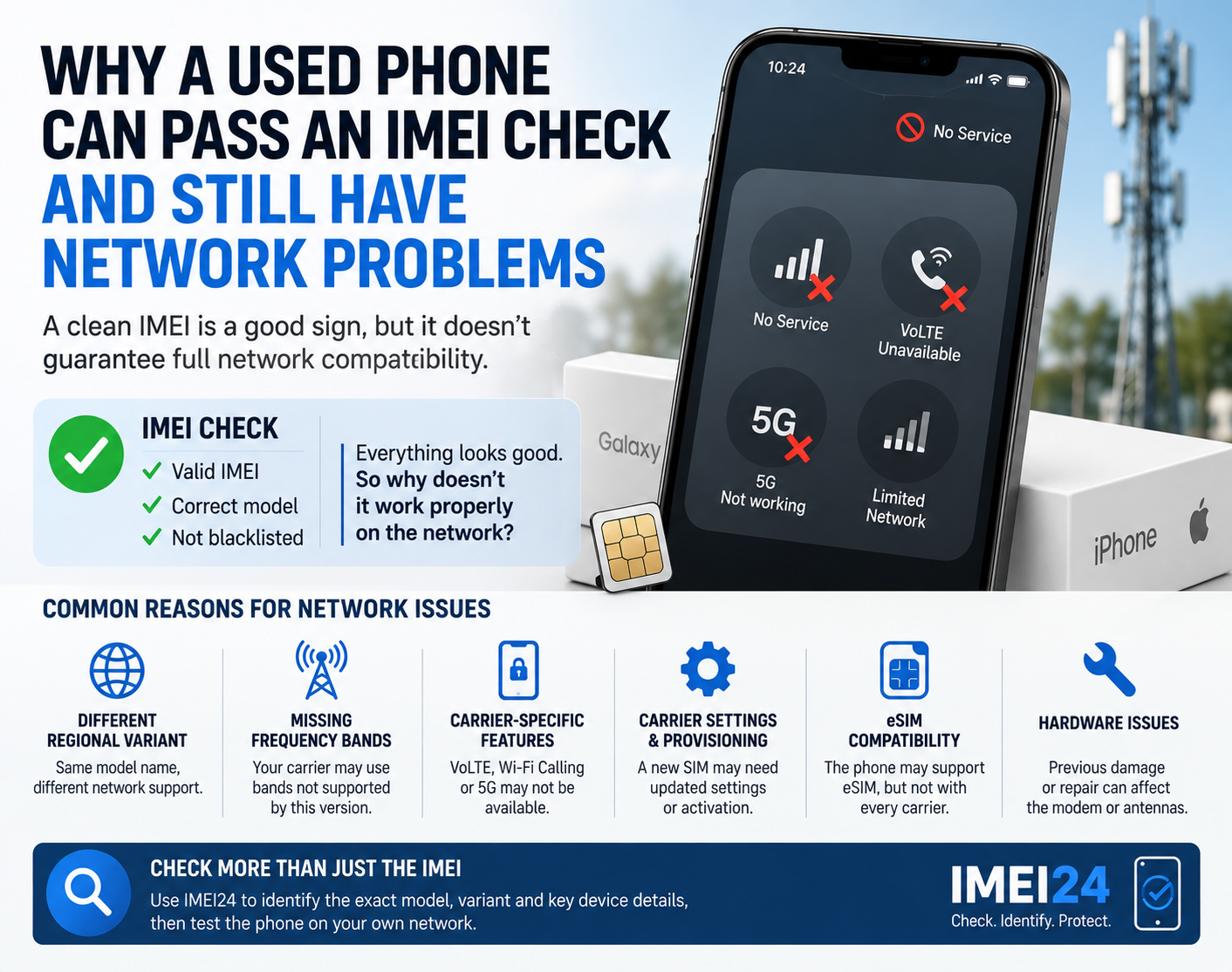
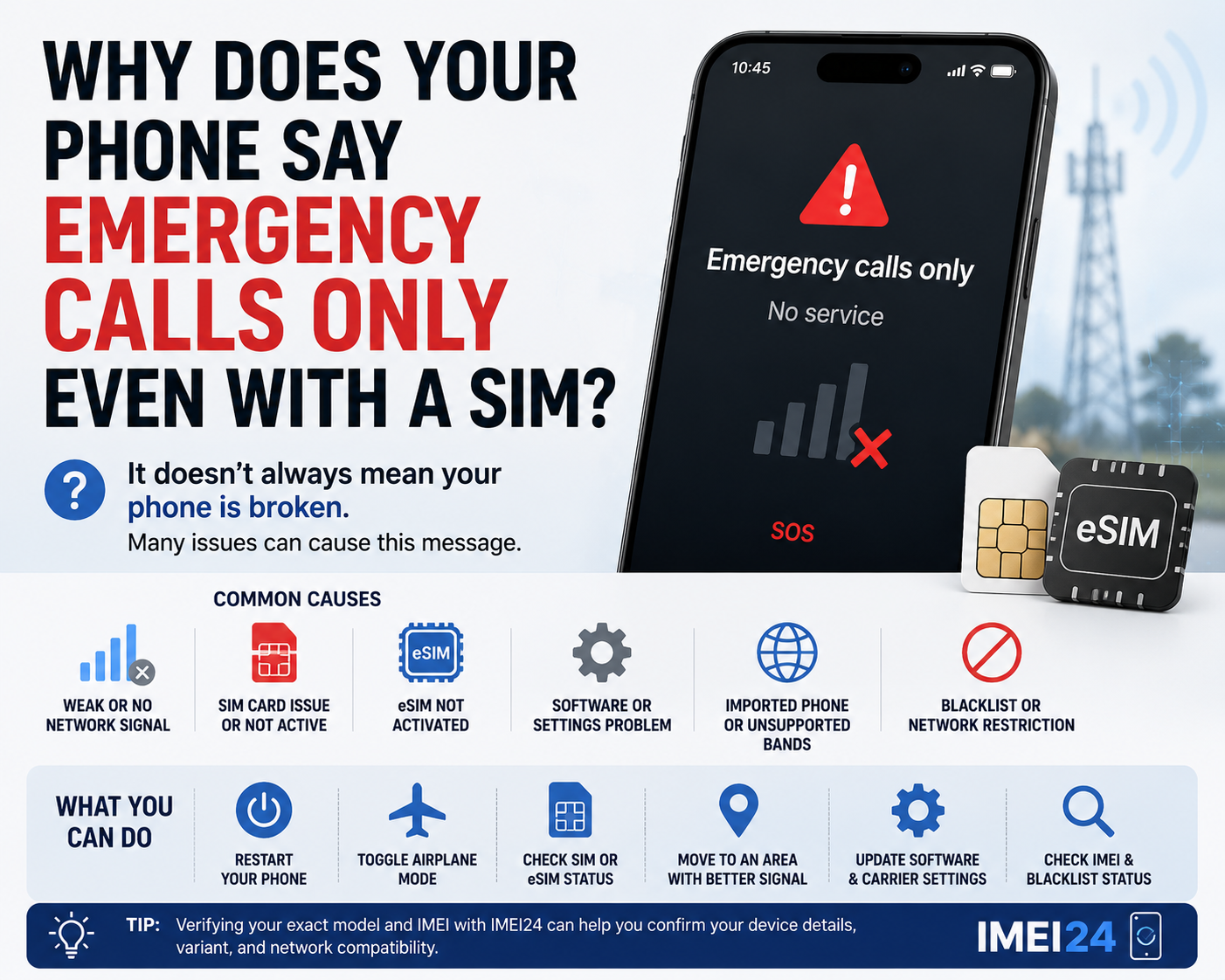
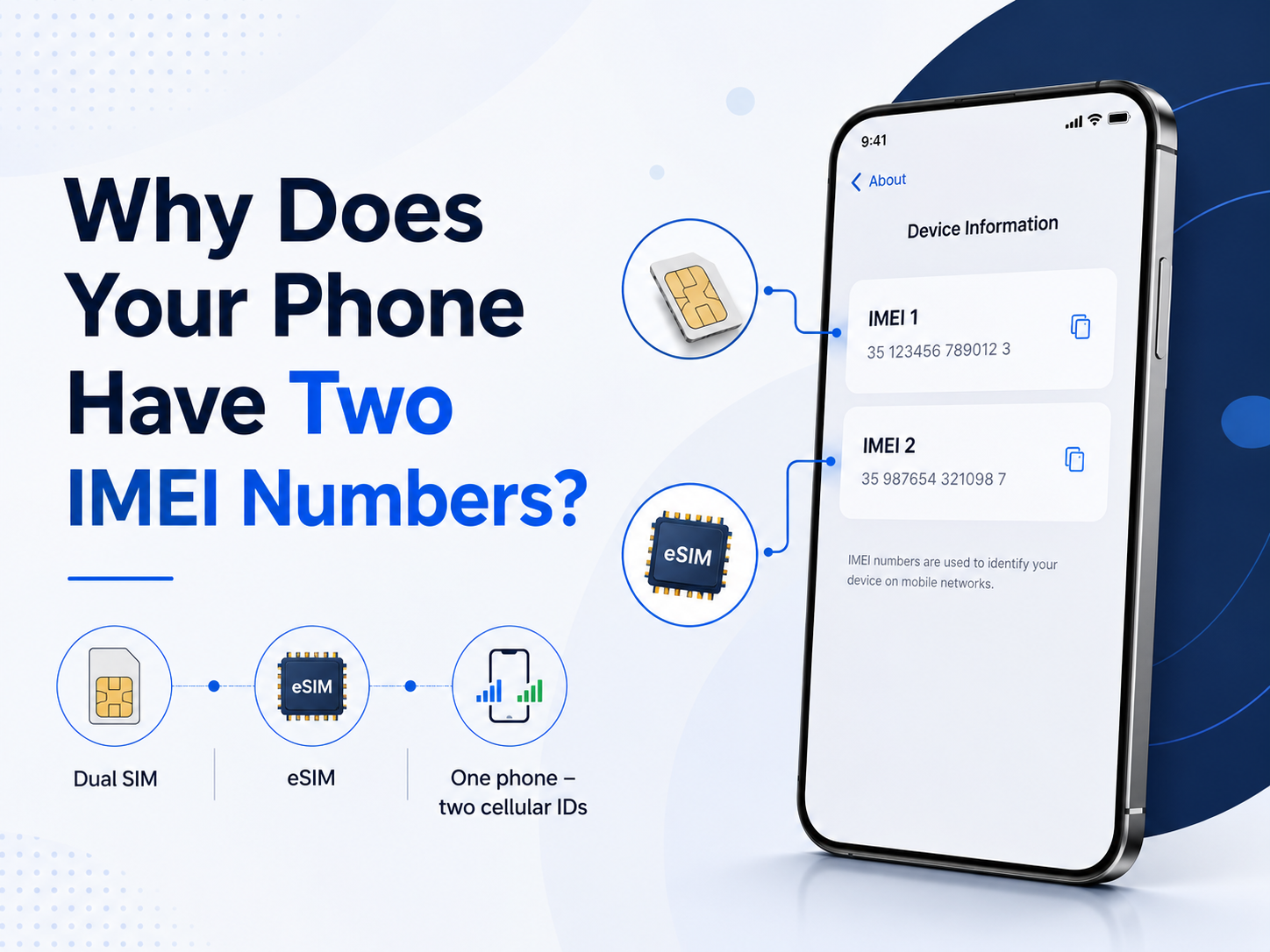
While software vulnerabilities represent a long-term security risk, the immediate usability of a used phone hinges on its unique International Mobile Equipment Identity (IMEI). This 15-digit number serves as the device's fingerprint and is the primary tool used by carriers and authorities to track the status of mobile hardware. Ignoring the IMEI check is the single most common mistake buyers make, often resulting in the purchase of a device that is essentially a useless "brick." An IMEI check can instantly reveal if a phone has been reported lost or stolen, in which case it will be blacklisted by networks globally, rendering it unable to make calls or use cellular data.
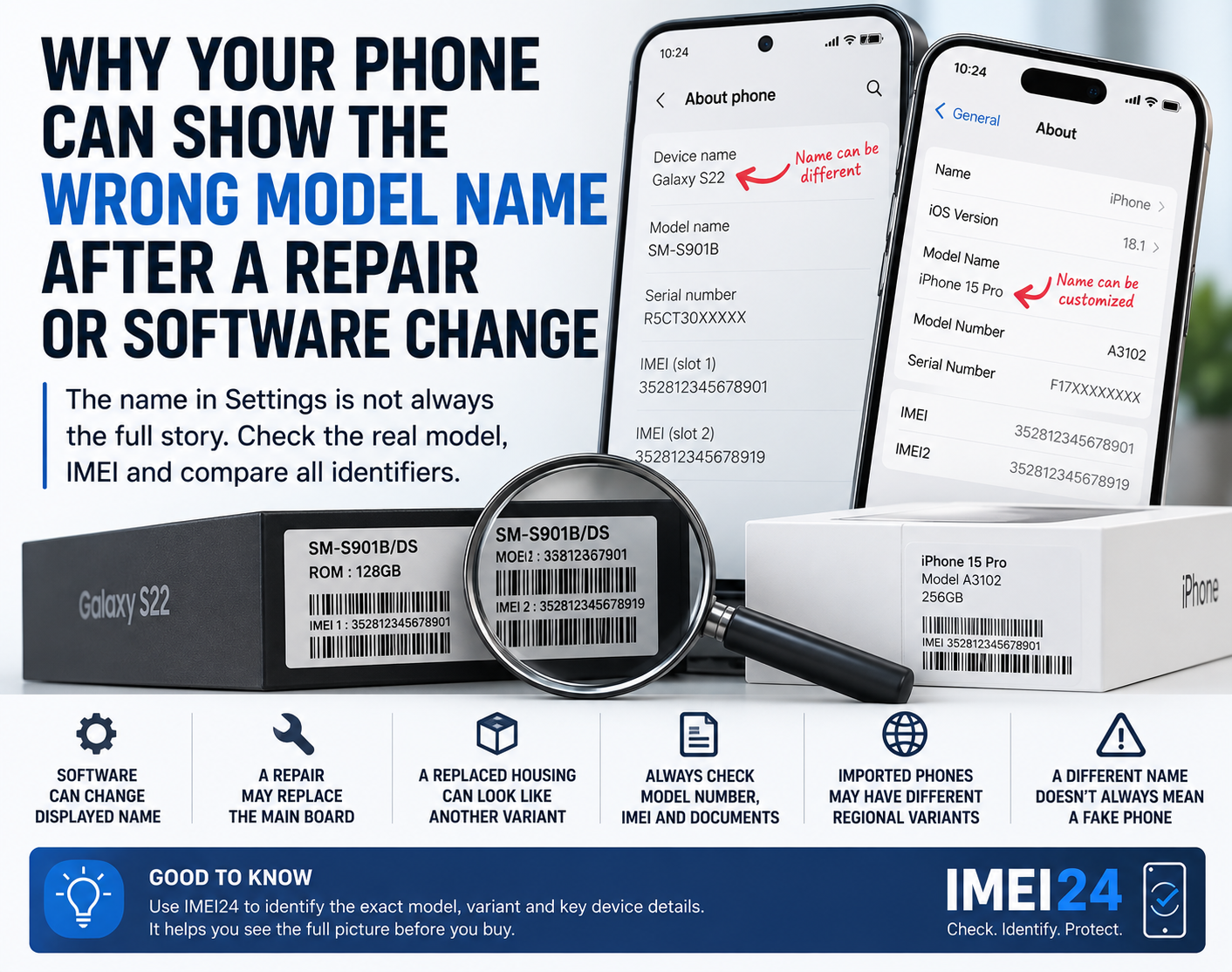
Beyond theft, the IMEI status provides critical insight into the financial history of the device. Many smartphones sold on the secondary market are originally purchased on carrier installment plans. If the original owner stops paying the bill and sells the phone to unsuspecting third parties, the carrier will eventually block the IMEI for non-payment. A physical inspection cannot detect this pending financial block; the phone will appear to work perfectly until the carrier's ban takes effect. Additionally, IMEI checks verify the specific model and specifications, protecting buyers from "Frankenstein" phones—devices assembled from mismatched parts that may not function cohesively.
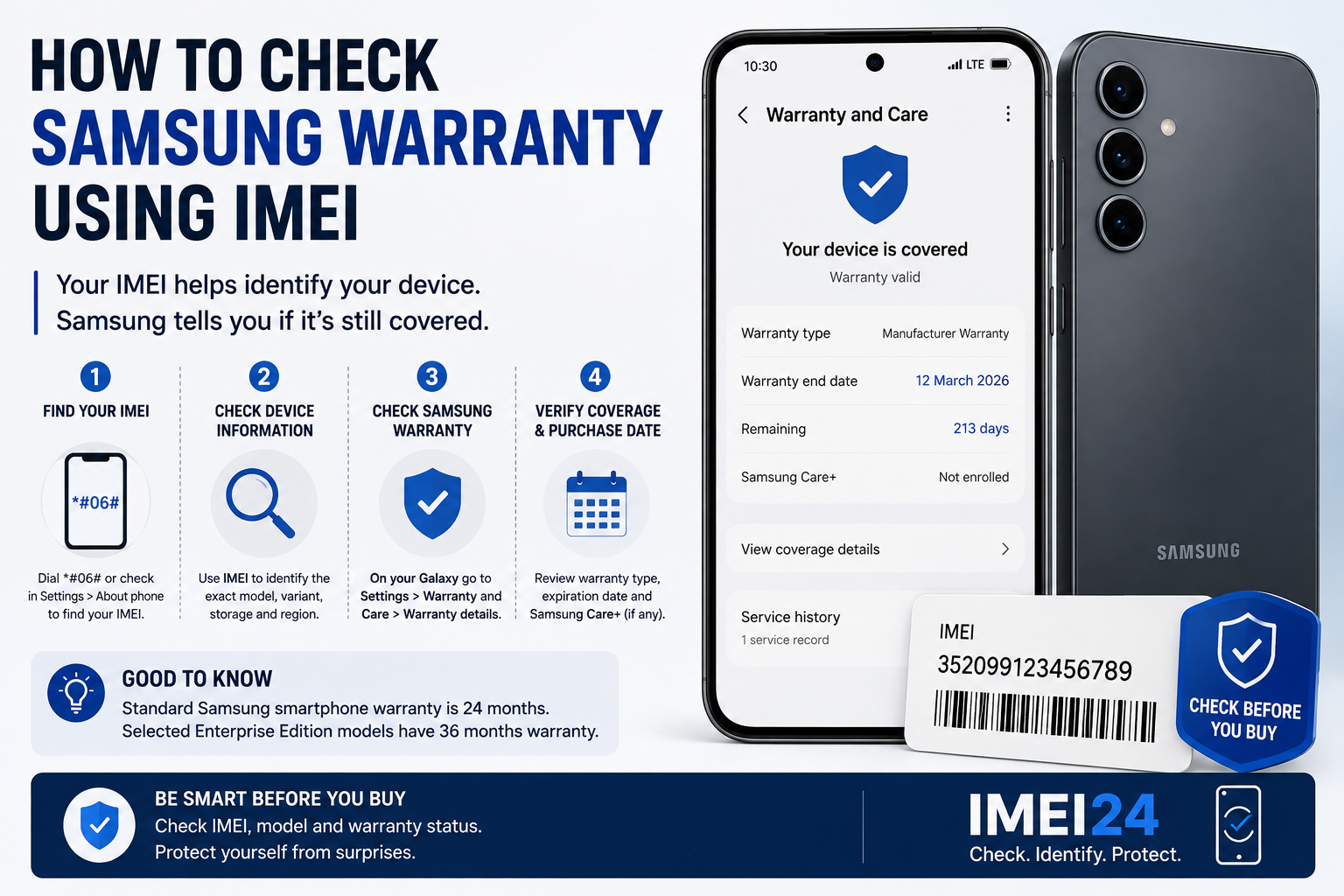
The importance of this verification step is underscored by the current state of consumer confidence. Despite the market's explosive growth, data indicates that only 52% of customers were willing to buy refurbished electronic goods due to lingering concerns over quality and reliability. Bridging this trust gap requires objective data. By validating the IMEI, buyers move beyond subjective seller descriptions and access hard facts about the device's history, carrier lock status, and warranty validity. This digital due diligence is the only way to ensure that the money saved on a used device doesn't turn into a total loss.
Security implications for browsing and digital entertainment
The consequences of using an unverified or unsupported second-hand device extend deeply into the user's daily digital life. When a smartphone lacks current security patches, the browser—the gateway to the internet—becomes a primary vector for attacks. Modern web browsing relies on complex encryption protocols and security certificates that older operating systems may no longer recognize or support. This can lead to a degraded experience where legitimate websites fail to load, or worse, where the user is redirected to malicious sites without the browser's safety filters catching the diversion.
For users who rely on their mobile devices for streaming, gaming, or accessing subscription services, a compromised phone can interrupt access to these platforms. Many premium apps now require recent operating system versions to function, locking out users with older hardware. Furthermore, if a device's IMEI is associated with fraudulent activity, certain networks or services may preemptively ban the device from accessing their servers. This creates a frustrating scenario where a user cannot access their paid content simply because the hardware ID has been flagged in a database they cannot see.
The supply chain dynamics of the used market exacerbate these risks. As users hold onto their phones for longer periods—a trend known as "sweating assets"—the supply of high-quality used inventory tightens. Reports indicate that this extended usage cycle has hurt the second-hand market supply chain, leading to a scarcity of newer, safer models. This shortage incentivizes the circulation of older, more vulnerable devices to meet demand. Buyers must be acutely aware that in a constrained market, the likelihood of encountering a device that struggles with modern security demands is significantly higher.
Final checklist before purchasing a used phone
To navigate the second-hand market safely, buyers must adopt a systematic approach that goes beyond trusting the seller's word. The first step is always to obtain the IMEI number before money changes hands. Use a reputable checking service to verify that the device is not blacklisted, is not currently under a financial lease, and matches the specifications advertised. If a seller refuses to provide the IMEI, walk away immediately; transparency is the hallmark of a legitimate transaction.
Next, verify the software support lifecycle of the specific model. Check the manufacturer's official website to confirm that the device is still receiving active security updates. If the phone was released more than four or five years ago, there is a high probability it is no longer supported. Unless you are purchasing the device for offline use or are technically proficient enough to install custom security ROMs, avoid models that have reached their End of Life status. The savings are rarely worth the exposure to unpatched vulnerabilities.
Finally, combine these digital checks with a thorough physical and policy review. Ensure the seller offers a robust return window, allowing you time to inspect the battery health and screen responsiveness in person. Test the connectivity immediately by inserting a SIM card to ensure the antenna is functional and the device is not carrier-locked. By combining IMEI verification with an awareness of software security lifecycles, consumers can take advantage of the economic benefits of the secondary market without inheriting the hidden risks of previous owners.