Your Phone Is Not Just Hardware Anymore ? It's an Identity Token
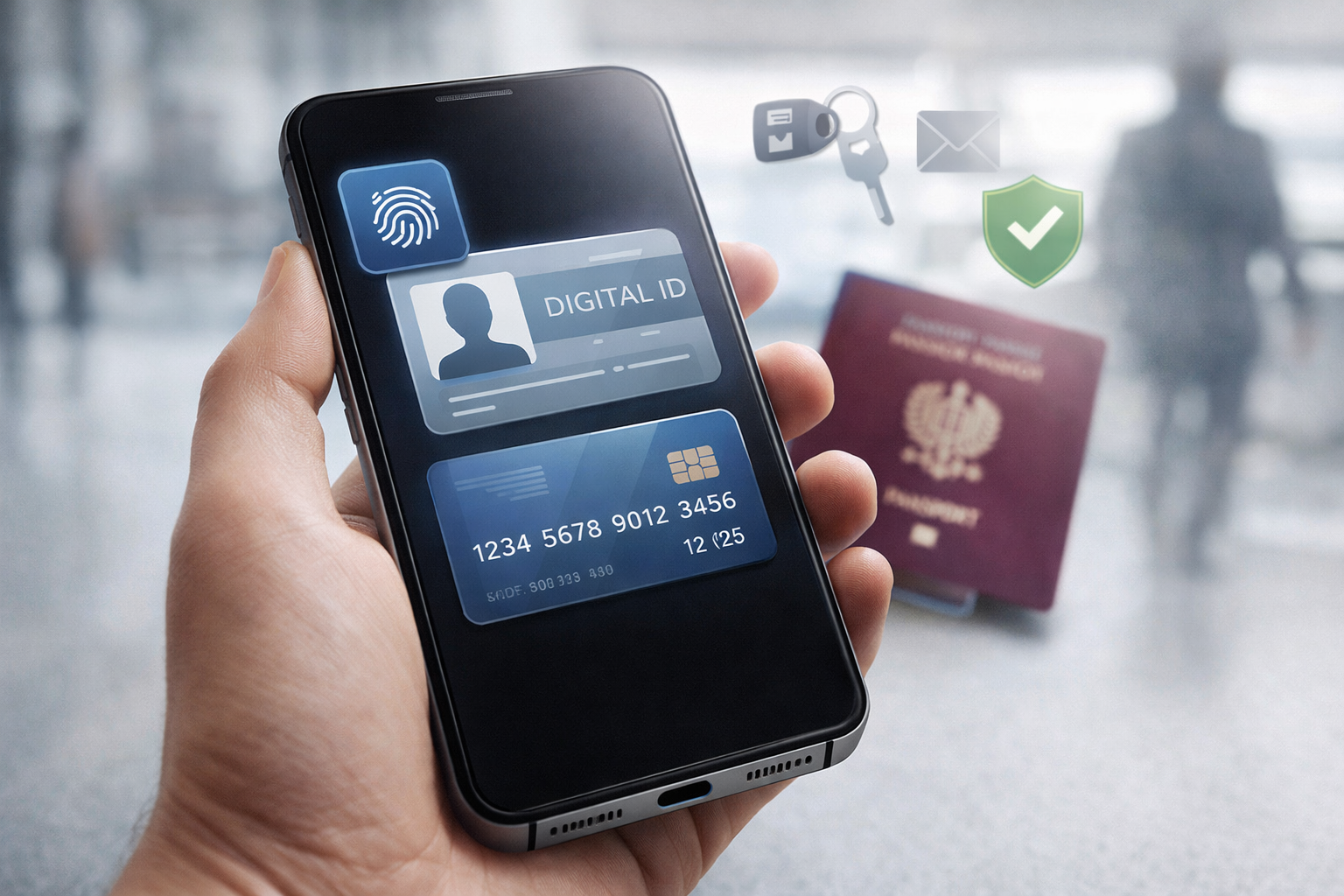
For years, smartphones were seen mainly as communication devices. They made calls, sent messages, and later became tools for internet access and entertainment. Today, that role has fundamentally changed. Modern smartphones are no longer just pieces of hardware — they are becoming identity tokens that represent who we are in the digital world.
From banking and work access to travel documents and authentication systems, the smartphone is now deeply connected to personal identity. Losing access to a phone is no longer just an inconvenience. In many cases, it can temporarily disconnect a person from essential services.
The Smartphone as a Digital Identity Hub
Modern phones store far more than photos and contacts. They hold authentication apps, digital wallets, biometric data, encrypted keys, and secure access tokens. Many online platforms now trust the phone itself as proof of identity.
This shift means the phone is not just something you own — it is something that represents you across digital systems. Logging into services, approving payments, accessing work accounts, and verifying identity often happens directly through the device.
As security systems evolve, smartphones are becoming central verification tools rather than optional convenience devices.
From Passwords to Device-Based Trust
Traditional security relied heavily on passwords. Today, many services are moving toward device-based authentication. Passkeys, biometric verification, and hardware-based security chips allow phones to act as trusted identity anchors.
In this model, the device itself becomes part of the login process. Instead of remembering dozens of passwords, users rely on their phone to confirm who they are.
This increases security, but it also increases dependence on the device and the accounts linked to it.
Why Losing Access Is More Serious Than Losing the Device
In the past, losing a phone meant losing hardware. Today, losing access to accounts linked to the phone can be far more damaging. Account lockouts can affect email, banking, social media, work tools, and cloud storage simultaneously.
The physical device can often be replaced quickly. Digital identity access can take days or even weeks to restore if recovery systems are complex or require verification steps.
This shift changes how people think about phone security. Protecting access credentials is now as important as protecting the device itself.
How This Changes the Second-Hand Phone Market
As phones become identity tools, device history becomes more important. Buyers need to ensure that previous accounts are fully removed and that devices are ready for new identity linking.
A phone that is technically perfect but still tied to previous accounts can become unusable. This is why device status, account removal, and verification processes are now critical parts of the resale process.
Trust in the second-hand market increasingly depends on transparency around device identity status.
The Psychological Shift in Ownership
Ownership used to mean physical possession. Today, it means access. A user can physically hold a phone and still be locked out of its core functions if digital credentials are missing.
This represents a major change in consumer technology. Devices are becoming extensions of digital identity rather than standalone tools.
As ecosystems become more integrated, managing digital identity becomes part of everyday device ownership.
Security Benefits and New Risks
There are clear benefits to this evolution. Theft becomes less attractive. Data protection improves. Unauthorized access becomes harder.
However, the risks shift. Instead of physical loss, users must worry about account lockouts, lost recovery access, and authentication failures. The weakest point is often no longer hardware, but account management.
Understanding this balance is key to navigating modern mobile security.
The Future of Smartphones as Identity Devices
The trend toward identity-based devices is accelerating. Digital IDs, mobile driver’s licenses, biometric payment systems, and secure access credentials are already expanding the phone’s role.
In the future, smartphones may become primary identity verification tools across travel, finance, healthcare, and government services.
This makes device security, account awareness, and identity management essential digital skills.
Conclusion: The Phone as an Extension of the User
Smartphones are no longer just tools we use. They are becoming extensions of who we are in digital systems. Access, identity, and trust increasingly depend on a device that fits in a pocket.
Understanding this shift helps users protect themselves, make smarter decisions when buying or selling devices, and maintain control over their digital identity.
In the modern connected world, protecting your phone is no longer just about protecting hardware — it is about protecting access to your digital life.