Why Modern Smartphones Are More Restricted Than Ever
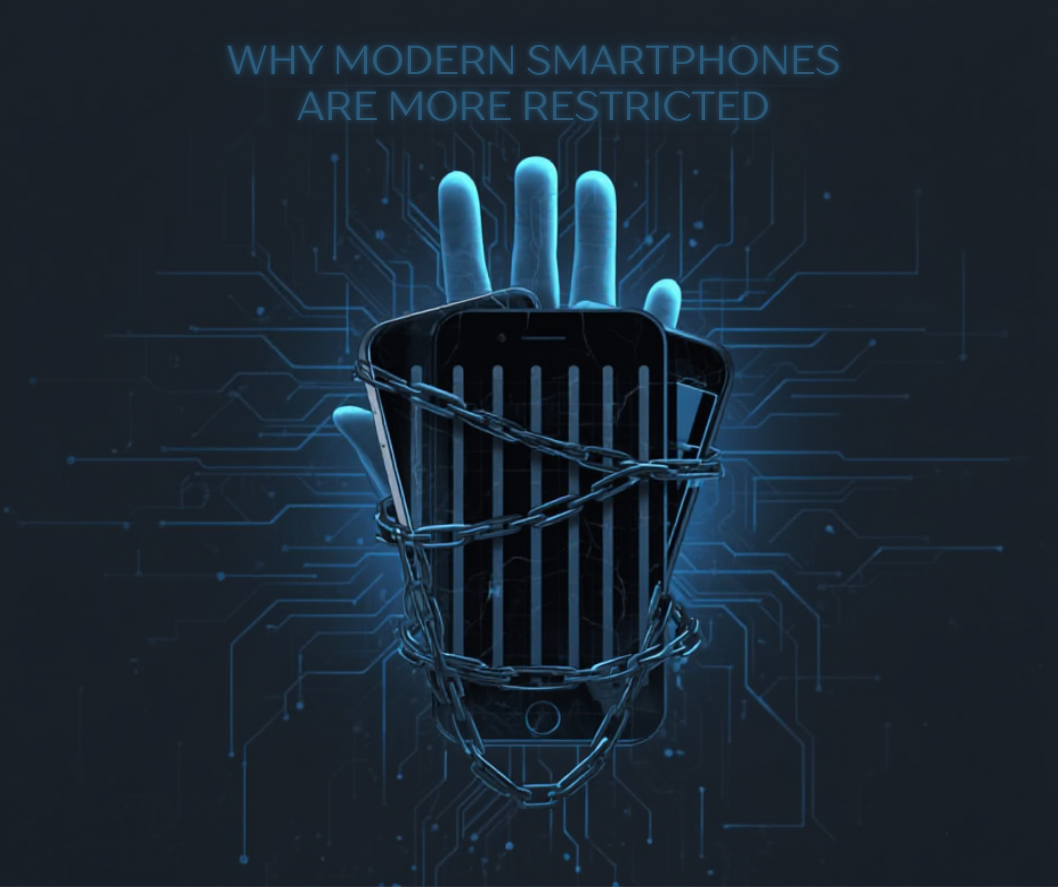
Smartphones have never been more powerful than they are today. They replace cameras, wallets, navigation systems, and even computers. At the same time, many users are surprised to discover that modern phones are also more restricted than ever before.
Carrier Control Is Still Very Real
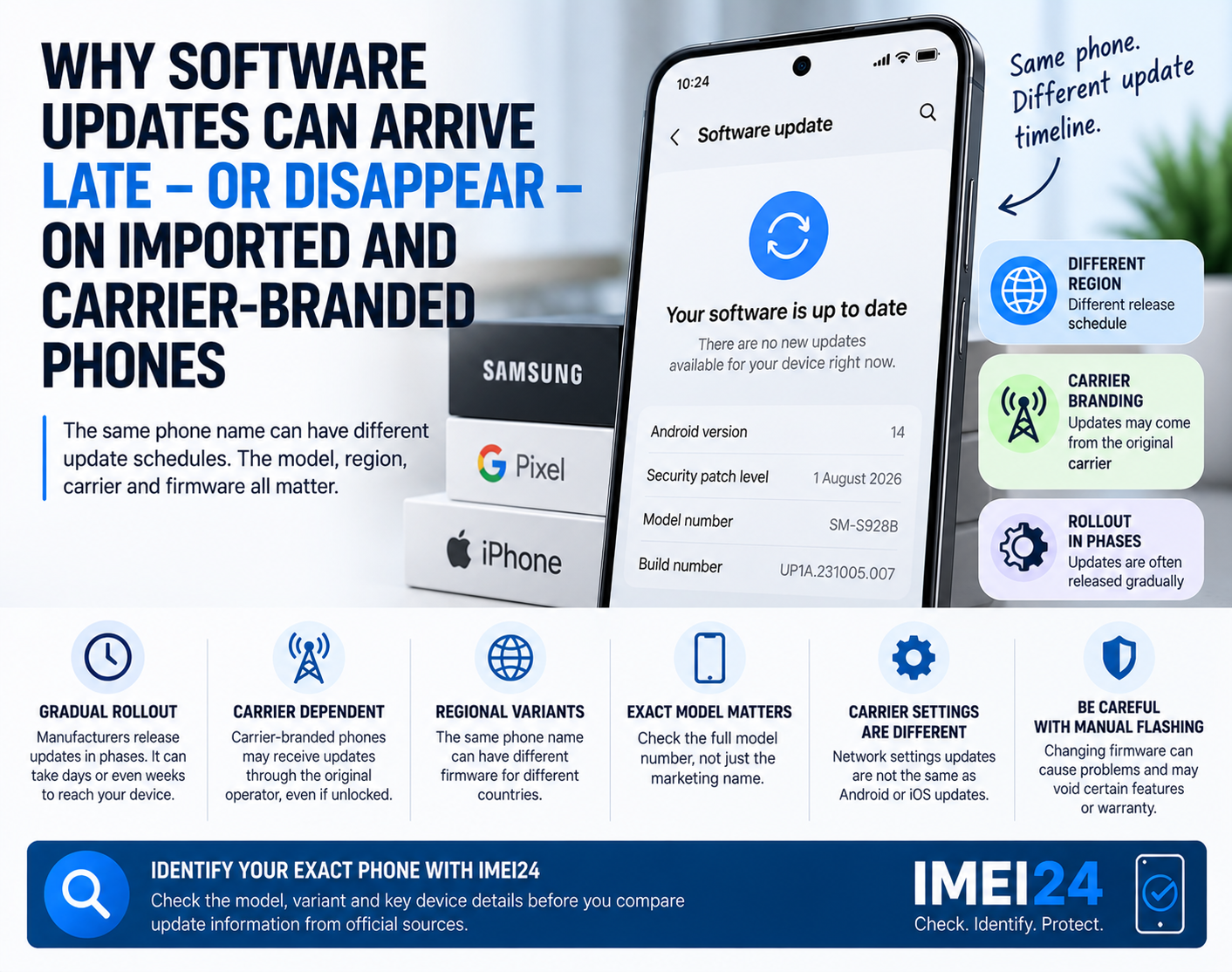
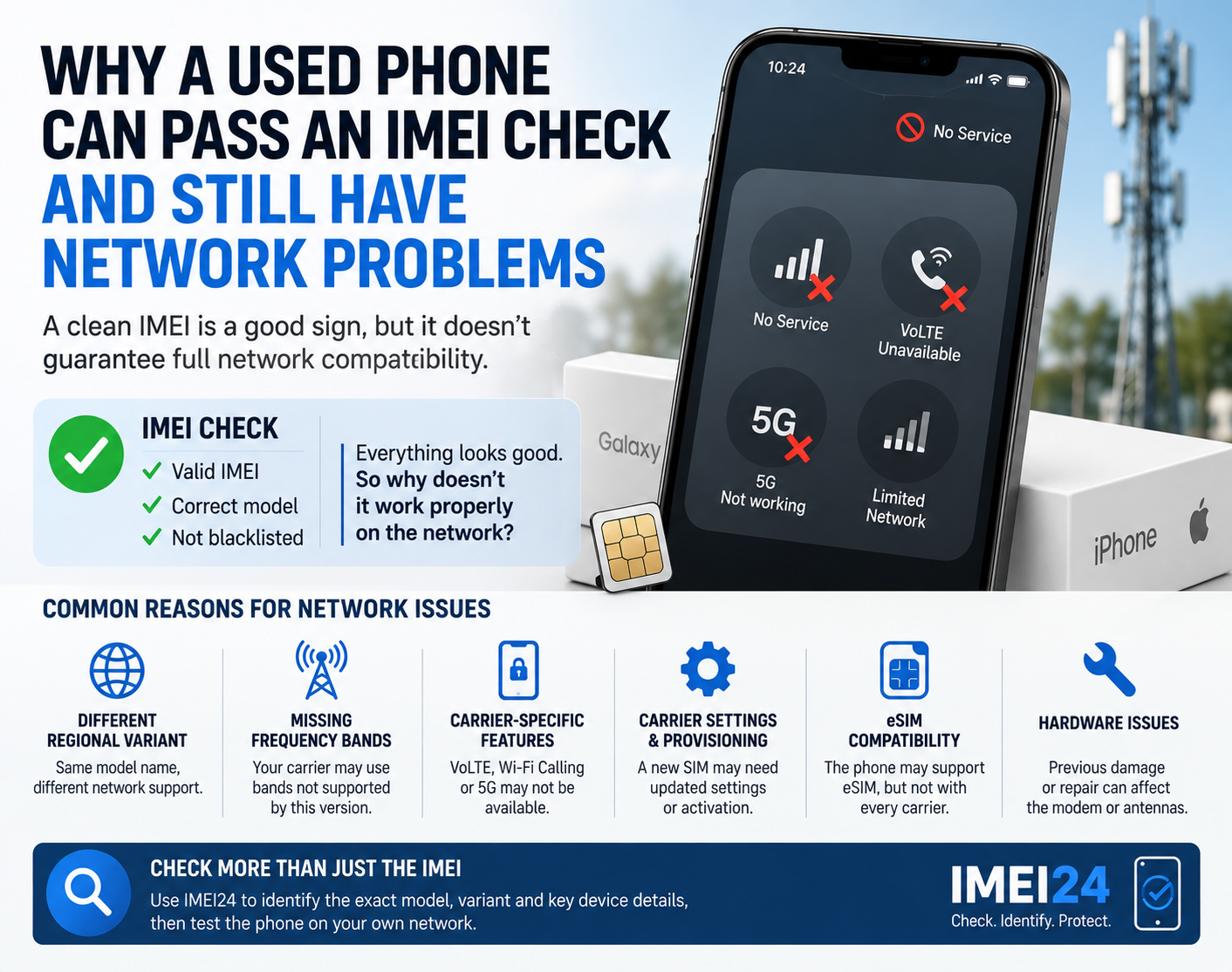
Despite advances in hardware and software, mobile carriers continue to play a major role in how smartphones are configured. Carrier restrictions can limit which networks a device can use, how certain features behave, and when updates are delivered.
For many users, these limitations only become visible when they try to change operators or travel abroad.
Software Freedom vs Network Restrictions
Modern operating systems offer regular security updates, strong encryption, and advanced privacy controls. However, network-related restrictions exist outside the operating system itself. This means that even a fully updated phone may still be limited by decisions made at the carrier level.
This separation often causes confusion, as users expect software updates to remove all limitations, which is not always the case.
Global Connectivity in a Local System
Smartphones are designed to work globally, supporting multiple frequency bands and network standards. Yet many devices are sold with regional or carrier-based limitations that prevent full use of this capability.
As a result, a phone that is technically capable of working worldwide may still behave like a local-only device.
The Cost of Hidden Limitations
Restrictions can lead to higher costs over time. Limited carrier choice may mean higher monthly fees, expensive roaming charges, or reduced flexibility when switching plans. These costs are often indirect and only noticed after months or years of use.
What Users Are Starting to Expect
Today’s users increasingly expect freedom of choice, transparency, and long-term usability from their devices. There is a growing awareness that true device ownership should include the ability to choose networks, services, and usage scenarios without artificial barriers.
This shift in expectations is slowly influencing how phones are sold and how restrictions are applied.
Looking Ahead
As smartphones continue to evolve, pressure is growing for more open and user-controlled devices. While security and network stability remain important, many users believe these goals can coexist with greater flexibility and freedom.
The future of mobile technology may depend not only on faster processors or better cameras, but on how much control users are allowed to have over the devices they own.