Why Battery Health Is the Real Currency of Modern Smartphones
.png)
In a world obsessed with faster processors, higher refresh rates, and ever-larger camera modules, one component quietly determines how long a smartphone remains truly usable: the battery. While specifications dominate marketing materials, battery health has become the real currency of modern smartphones.
No matter how powerful a device is on paper, a degraded battery can turn it into a daily frustration. Performance drops, charging becomes unpredictable, and mobility suffers. In practice, battery health often decides when users replace their phones — not innovation cycles.
Performance Means Nothing Without Power
Modern smartphones are incredibly efficient, yet they rely entirely on battery stability. As batteries age, they lose capacity and the ability to deliver consistent voltage. To protect the system, operating systems often reduce performance, limit peak power usage, or shorten active screen time.
This means a phone with a fast processor and plenty of memory can feel slower over time, not because it lacks capability, but because its battery can no longer support sustained performance.
Battery Degradation Is Inevitable
Lithium-ion batteries degrade naturally. Every charge cycle slightly reduces their maximum capacity. Heat, fast charging, and constant high load accelerate this process. Unlike storage or memory, battery health cannot be preserved indefinitely through software optimization alone.
Most users begin to notice battery degradation after one to two years of daily use. Shorter screen-on time, unexpected shutdowns, and slower charging are common symptoms. At this point, the device itself may still be perfectly functional — but the experience no longer feels reliable.
Why Battery Health Impacts Resale Value
In the second-hand and refurbished phone market, battery condition has become one of the most important value indicators. Buyers increasingly look beyond cosmetic condition and focus on how long a phone can realistically last between charges.
A device with excellent battery health commands higher prices and sells faster, even if it is not the latest model. Conversely, phones with worn batteries often struggle to find buyers, regardless of specifications or brand reputation.
This shift reflects a growing awareness that battery health directly translates into real-world usability.
Software Updates vs Battery Reality
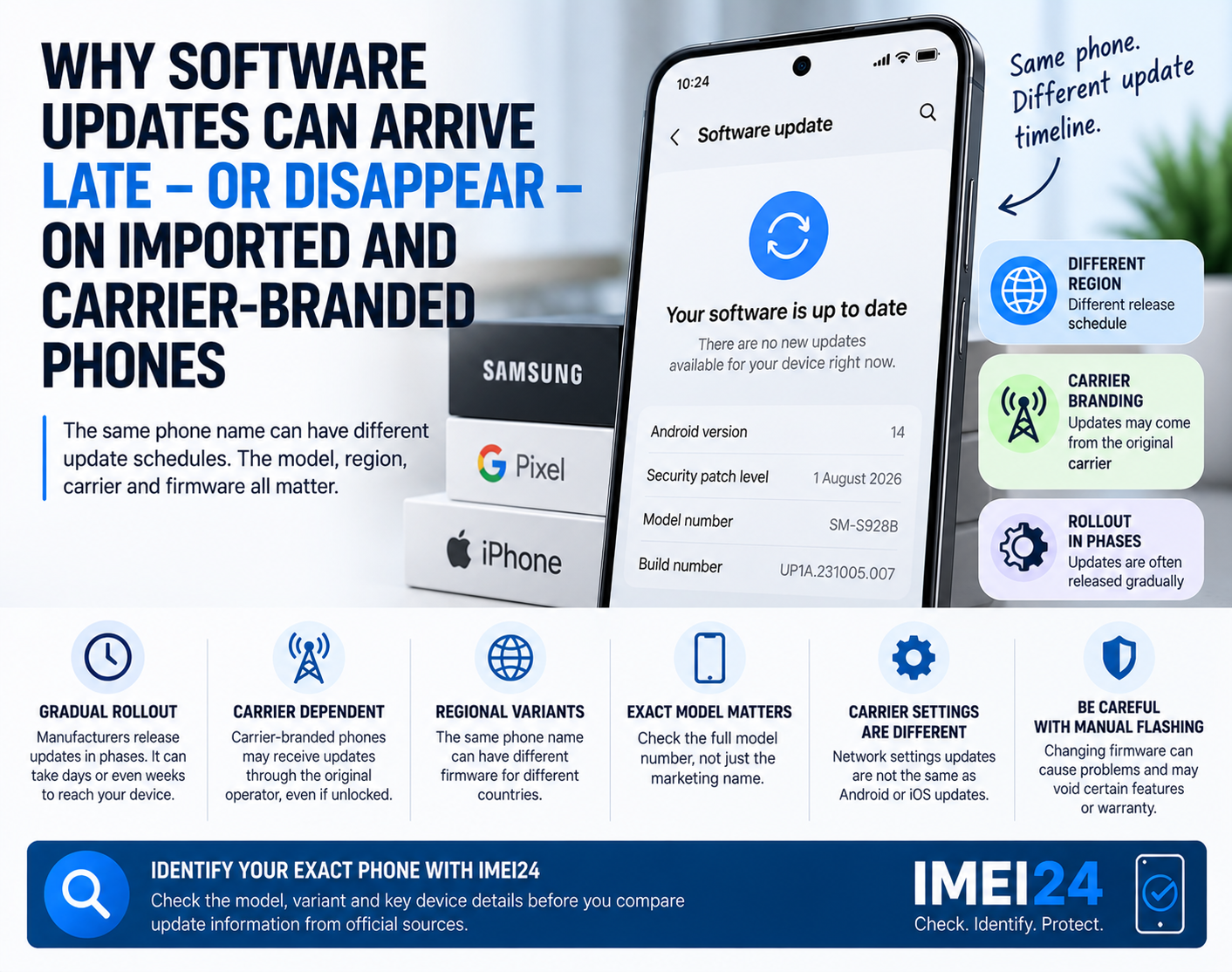
Long software support is often seen as a guarantee of longevity. While updates improve security and compatibility, they can also increase system demands. New features, background processes, and AI-driven functions place additional strain on aging batteries.
As a result, a phone may still receive updates but feel less responsive with each new version. Battery health becomes the limiting factor long before software support ends.
This is why two devices of the same model can feel dramatically different in everyday use — the difference is often hidden in the battery.
Battery Health and User Behavior
How users charge and use their phones plays a significant role in battery longevity. Constant fast charging, overnight charging, and frequent exposure to high temperatures all contribute to faster degradation.
At the same time, modern usage patterns — navigation, video streaming, cloud synchronization, and background apps — place continuous demand on batteries. Smartphones are expected to do more for longer periods, making battery resilience more important than ever.
Sustainability Starts with the Battery
From an environmental perspective, battery health is central to sustainability. Devices are often replaced not because they are obsolete, but because their batteries no longer provide acceptable performance.
Extending battery lifespan through smarter usage, better thermal management, and timely battery replacement keeps devices in circulation longer. This reduces electronic waste and lowers the environmental cost of frequent upgrades.
In this sense, battery health is not just a personal concern — it is a systemic one.
Rethinking What “Phone Longevity” Means
Longevity is often measured in years of software updates or hardware durability. In reality, battery health is the bridge between technical capability and everyday usability.
A phone that holds charge reliably feels modern, regardless of age. A phone that constantly needs charging feels outdated, even if it runs the latest software.
As users become more informed, battery health is increasingly shaping purchasing decisions, resale value, and upgrade timing.
Conclusion: Power Defines Practical Value
In modern smartphones, battery health defines practical value more than any single specification. It determines performance stability, mobility, resale potential, and user satisfaction.
As technology continues to advance, the phones that last longest will not necessarily be the most powerful, but the ones that manage energy most effectively. Understanding battery health is no longer optional — it is essential for making smarter, longer-term mobile decisions.