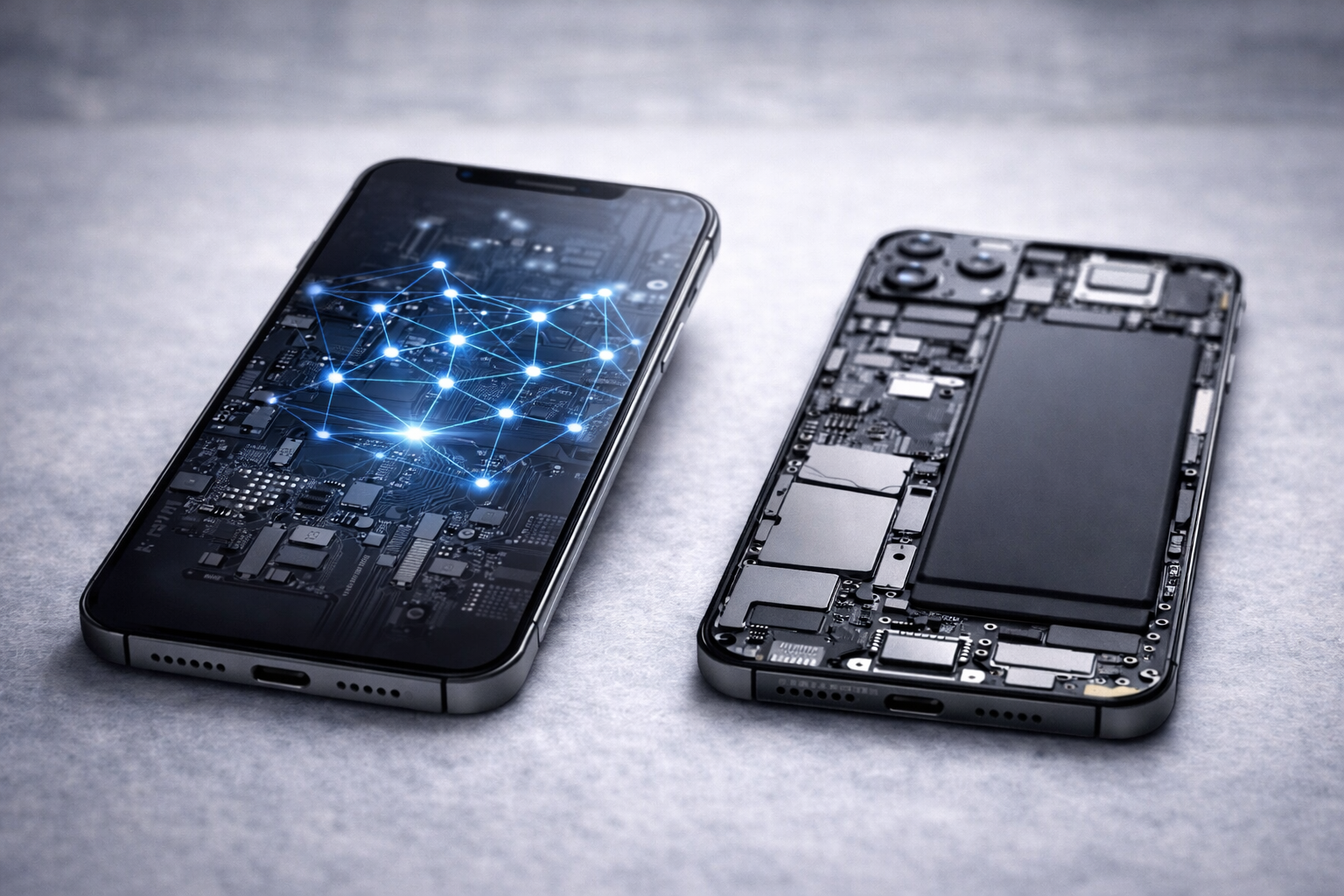
For many people, buying a smartphone is no longer a once-every-few-years event tied to a carrier contract. Phones are bought, sold, gifted, refurbished, and reused more than ever before. This shift has created greater flexibility and affordability, but it has also made one thing critically important: knowing exactly what phone you are dealing with.
Behind every smartphone is a unique identity known as the IMEI number. While most users have heard of it, few truly understand why it matters or how it protects them. As the global second-hand and refurbished phone market continues to grow, IMEI awareness is becoming an essential part of responsible device ownership.
The IMEI as a Digital Fingerprint
An IMEI, or International Mobile Equipment Identity, is a unique number assigned to every mobile device that connects to cellular networks. It functions as a digital fingerprint — no two legitimate devices share the same IMEI.
Unlike serial numbers used mainly by manufacturers, IMEI numbers serve a broader role. They allow carriers and regulatory systems to identify devices across networks and regions. This process is not about tracking users, but about managing device legitimacy and network integrity.
When a phone is lost or stolen, its IMEI can be blacklisted, blocking network access. When a device is sold or refurbished, the IMEI helps confirm whether it is clean, blocked, or reported stolen.
Why IMEI Checks Matter More Than Ever
Online marketplaces have made buying phones easier, but also riskier. A device may appear fully functional while hiding serious issues such as carrier locks, blacklisting, or unpaid financial obligations.
An IMEI check helps close the information gap between buyers and sellers. By checking an IMEI before purchasing, users can verify:
whether the device is reported stolen,
if it is blacklisted by carriers,
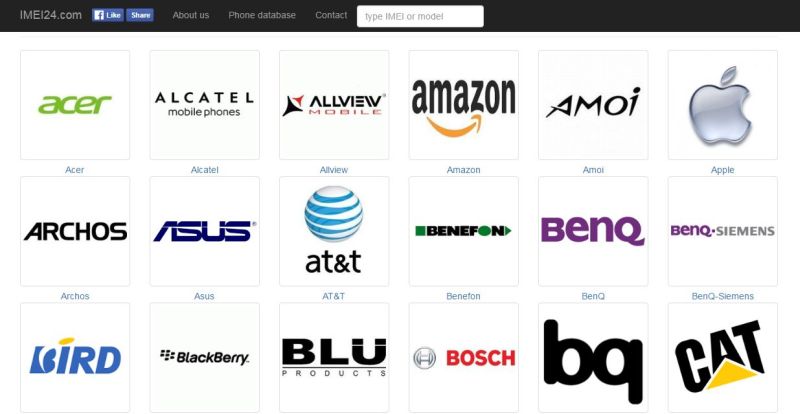
the original manufacturer and model,
basic network compatibility in certain regions.
These checks protect buyers from costly mistakes and help honest sellers prove device legitimacy.
Beyond Buying: IMEI in Everyday Use
IMEI awareness extends beyond the purchase itself. When traveling internationally, network compatibility becomes crucial, and IMEI checks can help confirm whether a phone will work properly with local carriers.
When switching mobile networks, IMEI status can affect whether a device is accepted or restricted. In some regions, IMEI databases are also used to enforce mandatory device registration rules, making awareness even more important.
Refurbished Phones and the Trust Factor
Refurbished smartphones are now a mainstream option, valued for both cost savings and environmental benefits. However, trust remains central to this market.
Buyers want reassurance that a refurbished device is not stolen, blocked, or manipulated. IMEI verification is one of the most reliable ways to provide that assurance. Reputable refurbishers often include IMEI details or offer verification on request.
Users who understand IMEI results are better equipped to distinguish professional sellers from risky offers.
Visualizing Mobile Risks and Costs
Many mobile-related decisions involve trade-offs: cheaper devices versus higher risk, unlocking versus replacement, roaming versus local usage. These choices become clearer when costs and risks are visualized instead of hidden in numbers.
Some users even turn to simple visual tools, such as creating a pie chart with Adobe Express, to compare device cost against potential losses from buying a problematic phone. The purpose is not design, but clarity and better decision-making.
IMEI and Device Security
IMEI numbers also contribute to device security beyond theft prevention. Phones with altered or duplicated IMEI numbers are often linked to illegal modifications and may face unpredictable network behavior or sudden service disruptions.
A mismatch between the IMEI displayed in the system and the one printed on the device or packaging is a warning sign that should not be ignored. Knowing how to check your IMEI, typically through device settings or by dialing *#06#, adds an extra layer of protection.
IMEI in a Global Mobile Ecosystem
Smartphones frequently cross borders, moving between countries and owners. IMEI systems help maintain order in this global ecosystem by allowing carriers, regulators, and consumers to verify device legitimacy.
This system works best when users actively participate by checking and understanding their devices, turning IMEI from a passive identifier into a practical safety tool.
Educating Users, Not Creating Fear
IMEI awareness should be about empowerment, not fear. Most devices are legitimate, and most sellers act honestly. IMEI checks simply confirm that everything aligns as expected.
When treated like checking mileage before buying a car, IMEI verification becomes a routine step rather than a source of anxiety. Education builds confidence and reduces uncertainty.
Sustainable Technology and Longer Device Lifecycles
IMEI systems also support sustainability by enabling safe reuse and resale of devices. Phones stay in circulation longer, reducing electronic waste and lowering demand for new manufacturing.
By increasing trust in second-hand markets, IMEI awareness benefits consumers, sellers, and the environment alike.
Conclusion: A Small Number with a Big Impact
The IMEI number may look like a random string of digits, but its role is significant. It protects users, supports fair markets, and helps maintain stability in the global mobile ecosystem.
IMEI awareness is not about technical expertise. It is about asking the right questions and using available tools to make informed decisions. In a world where phones change hands frequently, understanding your device is a form of digital self-care — and it often starts with a number you already have.