Why Modern Smartphones Feel Different Even When They Look the Same
At first glance, smartphones today don’t seem dramatically different from devices released a few years ago. Screens are still rectangular, cameras keep improving incrementally, and operating systems look familiar. Yet many users feel that something has changed. The difference is not always visible in design or specifications — it lies deeper in how phones are built, managed, and experienced.
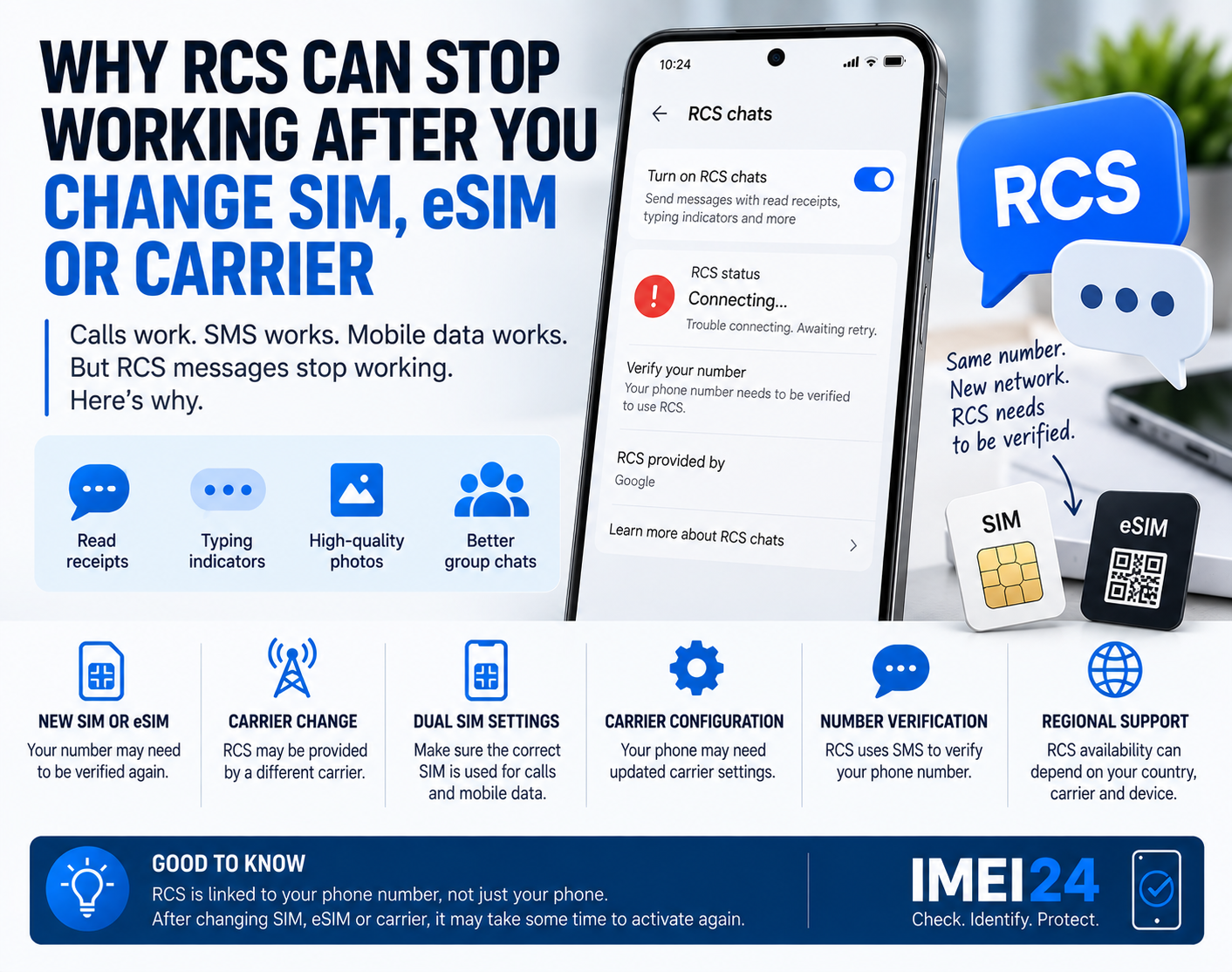
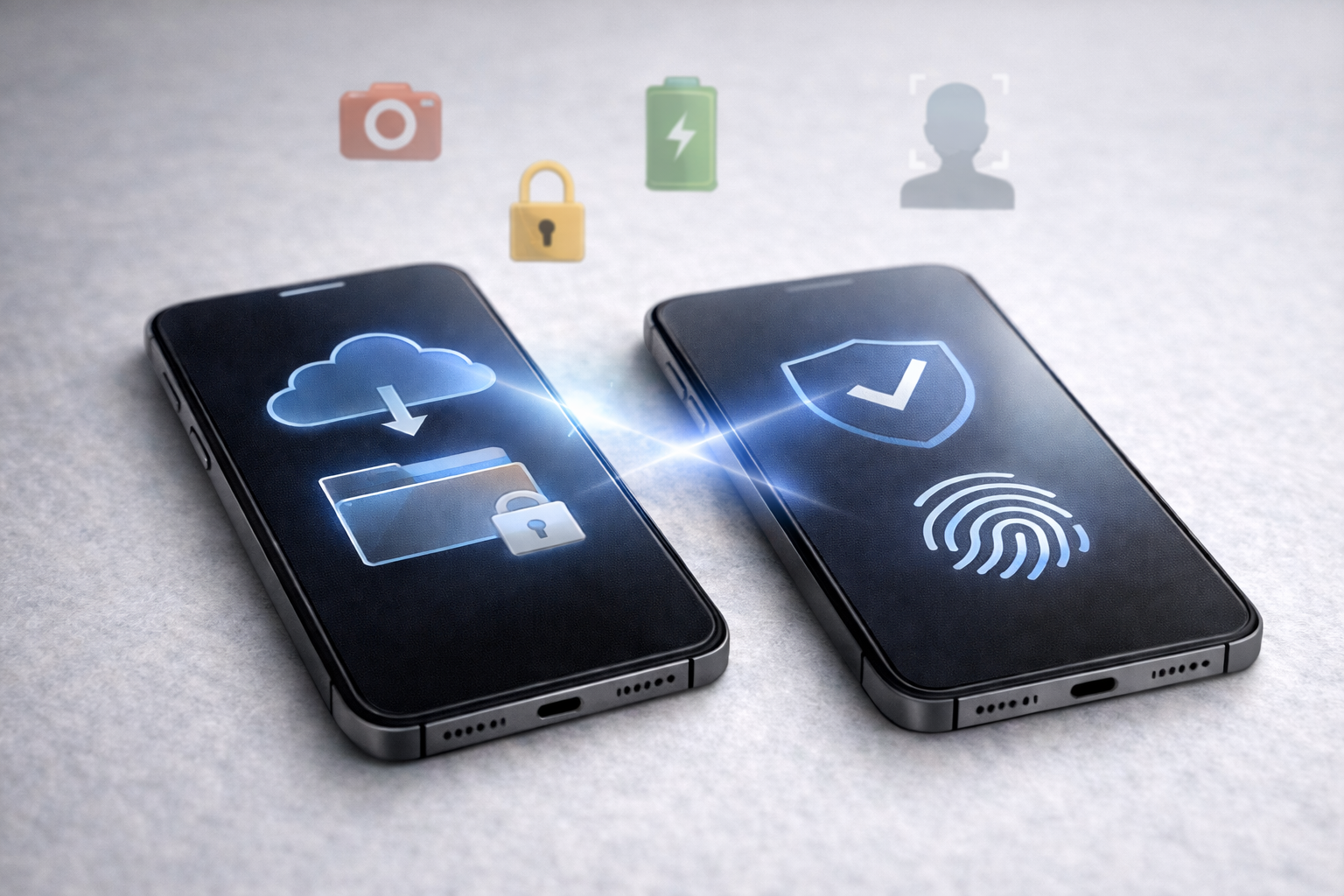
One of the biggest shifts is the role of software ecosystems. Smartphones are no longer isolated devices. They are part of larger environments that include cloud storage, authentication systems, and synchronized services. This integration makes everyday tasks smoother, but it also changes how users interact with their devices over time.
Performance has also evolved in a subtle way. Raw processing power continues to grow, but most modern phones already exceed the needs of typical daily use. Instead of dramatic speed increases, improvements focus on efficiency, background processing, and AI-driven features. As a result, newer devices often feel similar to previous models in everyday tasks, even though their internal capabilities are far more advanced.
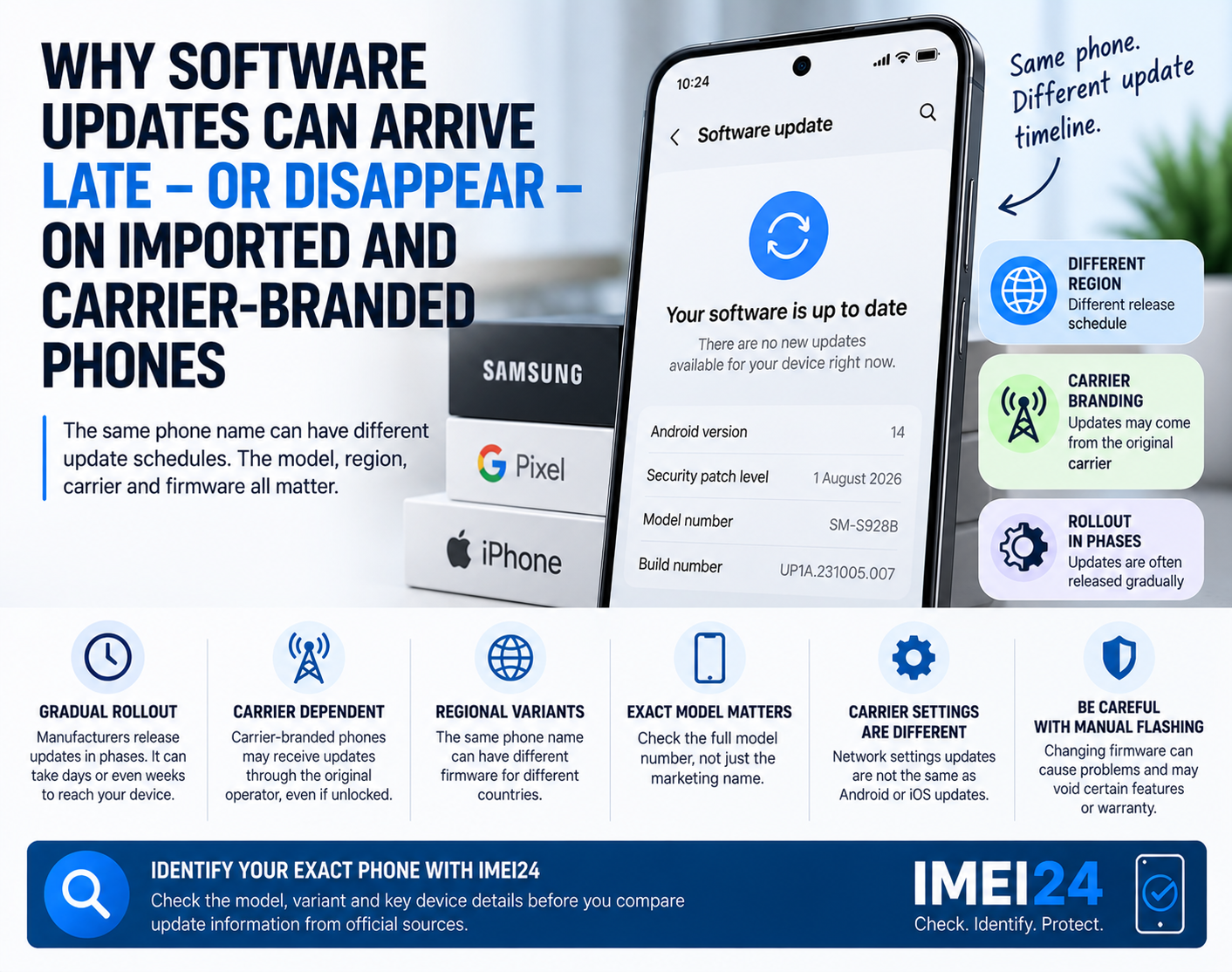
Another major change is how updates shape the lifespan of a phone. Operating system updates can extend usability for years, but they also introduce new expectations. Features that were once optional become standard, and users gradually adapt to workflows that depend on constant connectivity and synchronization.
Battery behavior contributes to the perception of change as well. Devices are expected to handle more demanding tasks while remaining thin and lightweight. This balance between power and portability influences how long a phone feels “fresh,” even when the hardware remains technically capable.
The way people buy and use smartphones has shifted too. More users are keeping their devices longer, choosing refurbished options, or passing phones within families. This extended lifecycle changes how value is measured. Longevity, reliability, and compatibility now matter as much as headline specifications.
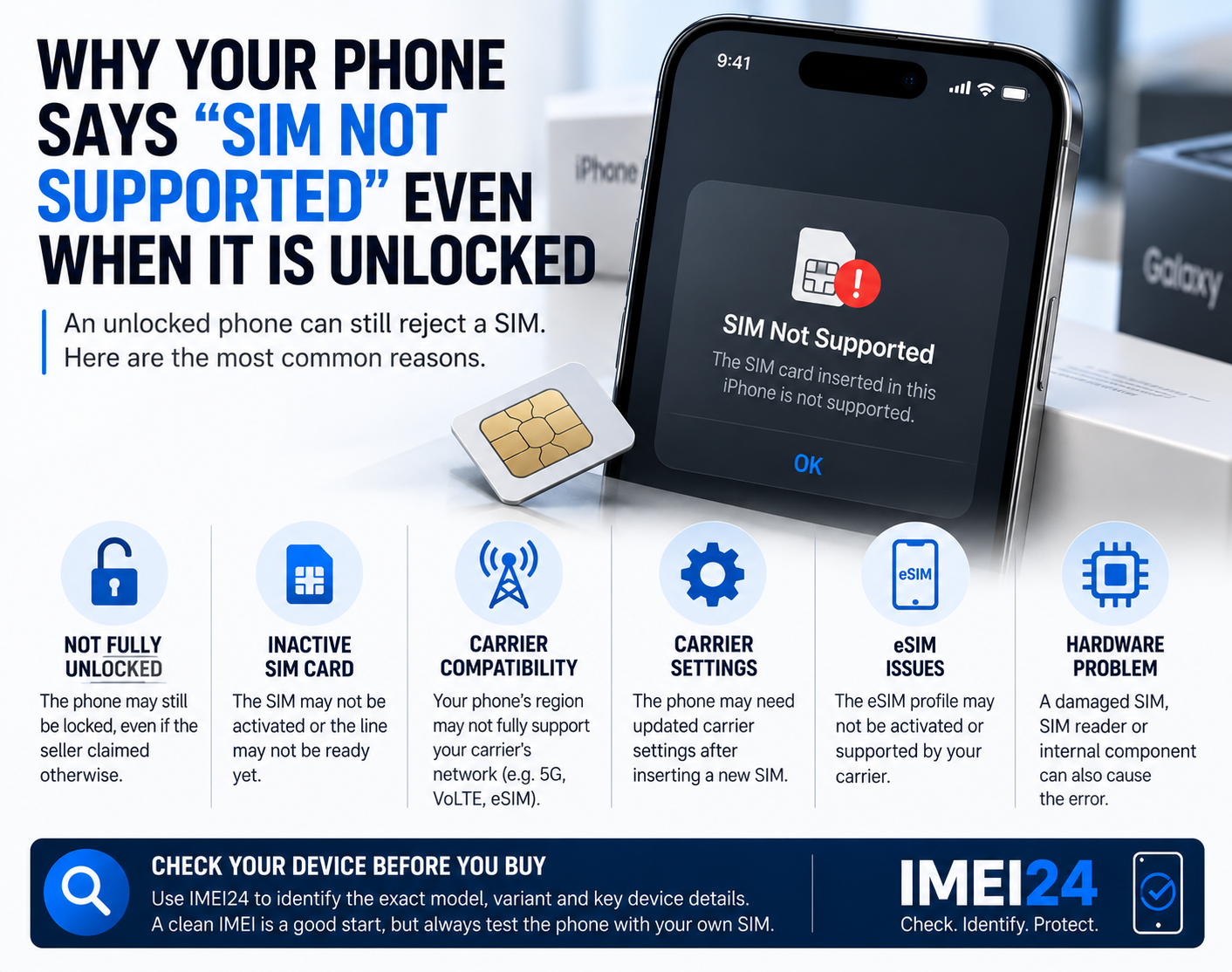
Security is another factor shaping modern phone experiences. Biometric authentication, encrypted storage, and account-based protections have become standard. These systems increase safety but also introduce new habits for users, who must manage credentials and digital access more carefully than before.
Interestingly, the emotional relationship between users and their devices has evolved. Phones are no longer just tools for communication; they are personal hubs for identity, work, and creativity. Because of this, small changes in usability or performance can feel more significant than they did in earlier generations of technology.
Looking ahead, the evolution of smartphones may become less about dramatic hardware redesigns and more about invisible improvements. Better energy efficiency, smarter software integration, and seamless connectivity across devices could define the next phase of innovation.
In the end, modern smartphones feel different not because they have changed dramatically on the surface, but because their role in daily life has expanded. Understanding this shift helps explain why upgrading a phone today often feels less like buying a new gadget and more like updating a digital environment that continues to grow around us.