How smartphones are replacing traditional computers in everyday use
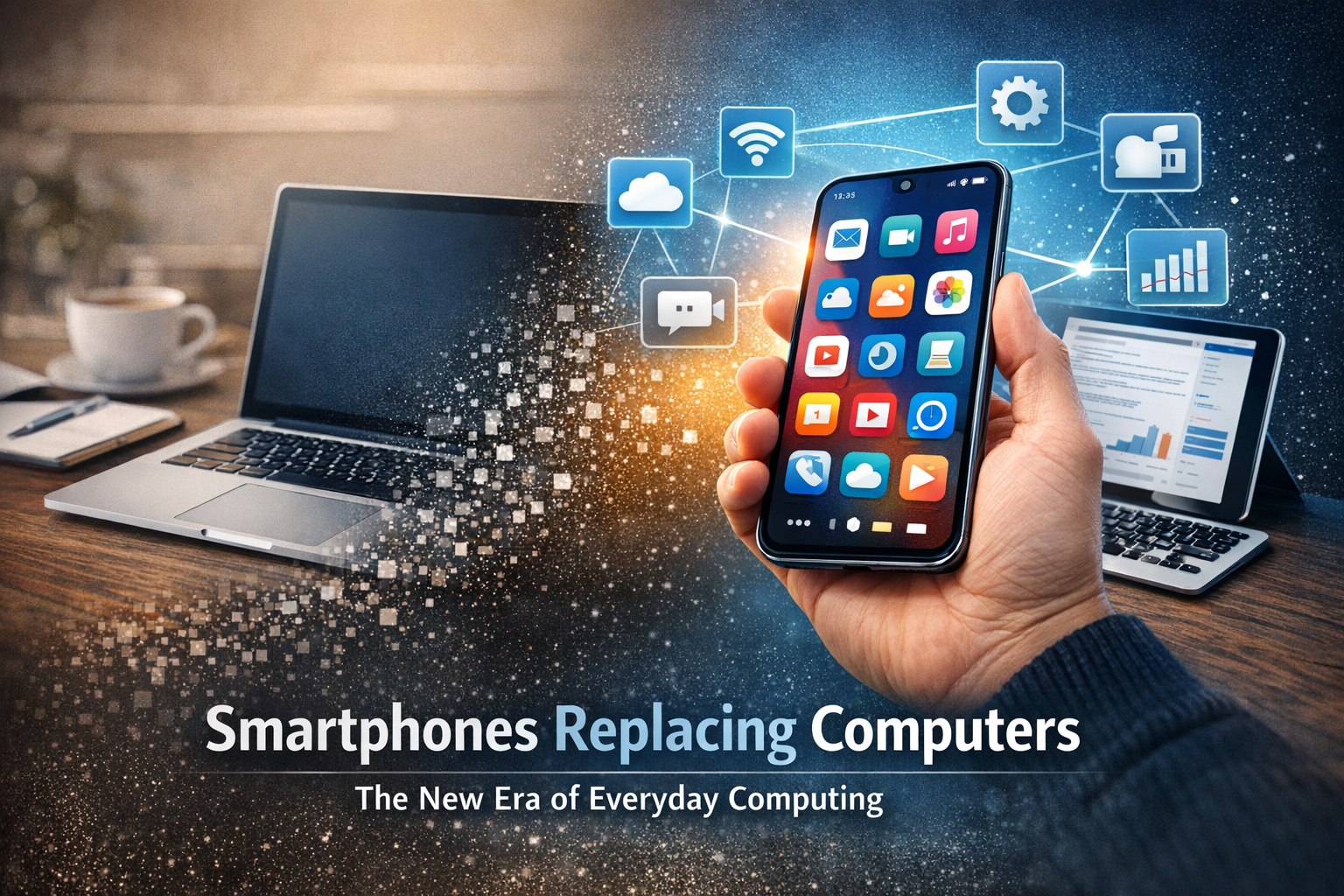
Over the past decade, smartphones have evolved from simple communication tools into powerful devices capable of handling tasks once reserved for desktop computers and laptops. Today, for millions of users around the world, a smartphone is no longer a secondary device — it is the primary way of accessing the internet, managing work, and staying connected.
The shift from desktop to mobile
In the early 2000s, computers were essential for browsing the web, sending emails, or working with documents. Smartphones at that time were limited in both performance and functionality. However, with the introduction of modern operating systems, faster processors, and high-speed mobile internet, the balance began to shift rapidly.
Today, most online activity happens on mobile devices. From social media and banking to shopping and entertainment, smartphones have become the central hub for digital life.
Performance that rivals computers
Modern smartphones are equipped with processors that rival entry-level laptops in performance. Flagship devices feature multi-core CPUs, advanced GPUs, and dedicated AI units that enable smooth multitasking, gaming, and even content creation.
Tasks such as video editing, photo processing, and document management can now be performed directly on a smartphone without noticeable limitations for the average user.
Cloud services and mobile-first workflows
One of the key factors behind this transformation is the rise of cloud computing. Files, applications, and services are no longer tied to a single device. Instead, they are accessible from anywhere, at any time.
This shift has enabled mobile-first workflows, where users rely on smartphones to access documents, collaborate in real time, and manage projects without needing a traditional computer.
Accessories that extend functionality
Smartphones are no longer used in isolation. With the addition of wireless keyboards, external displays, and docking solutions, they can effectively transform into workstation-like setups.
Some operating systems even offer desktop modes, allowing users to connect their phone to a monitor and work in a familiar computer-style interface.
The role of apps and ecosystems
The app ecosystem plays a crucial role in replacing traditional software. Mobile applications are optimized for touch interaction and are often simpler, faster, and more intuitive than their desktop counterparts.
At the same time, integration with wearables, smart home devices, and other connected technologies strengthens the position of smartphones as the center of a broader digital ecosystem.
Limitations still exist
Despite the rapid progress, smartphones are not a complete replacement for computers in every scenario. Advanced tasks such as professional video editing, complex programming, or large-scale data analysis still require the power and flexibility of traditional machines.
Screen size, input precision, and multitasking limitations can also impact productivity in more demanding workflows.
The future of mobile computing
The gap between smartphones and computers continues to narrow. With ongoing improvements in hardware, software, and connectivity, mobile devices are becoming even more capable each year.
For many users, the transition has already happened — the computer is no longer the main device. Instead, the smartphone has taken its place as the most important tool in everyday digital life.