The most common smartphone locks in 2026 - what users should know
Modern smartphones are more secure than ever before. Manufacturers continue to improve anti-theft systems, account protection, and activation security. While these protections help reduce unauthorized access, they also create new problems for many everyday users.
In 2026, account and activation locks are among the most common issues affecting smartphones on the second-hand market.
Why smartphone locks exist
Security locks are designed to protect personal data and make stolen devices harder to reuse.
Today’s phones often store:
• banking applications
• personal photos
• saved passwords
• payment methods
• private documents
Because of this, manufacturers increasingly rely on account-based protection systems.
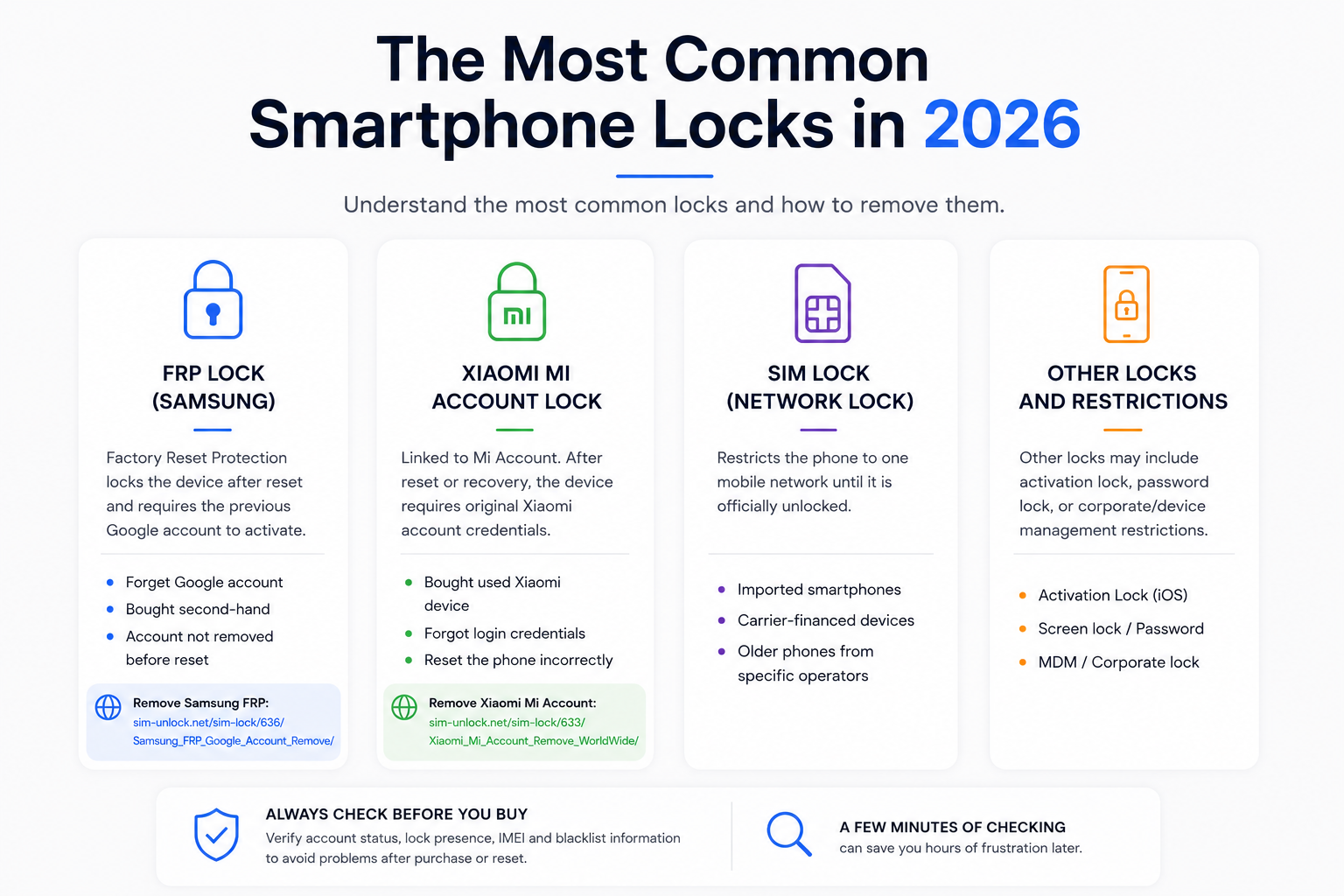
FRP lock on Samsung devices
One of the most well-known protections is FRP (Factory Reset Protection) on Android devices, especially Samsung smartphones.
After a factory reset, the phone may require the previously connected Google account credentials before activation can continue.
This becomes a problem when:
• the owner forgets account details
• the device was purchased second-hand
• the account was not removed before reset
Without verification, the smartphone can remain locked during setup.
Samsung FRP removal service:
Samsung FRP Google Account Remove
Xiaomi Mi Account lock
Xiaomi, Redmi, and POCO devices use their own protection system linked to the Mi Account.
Once activated, the device may require the original Xiaomi account credentials after reset or software recovery.
Users commonly encounter this issue after:
• buying a used Xiaomi device
• forgetting login credentials
• resetting the phone incorrectly
Newer HyperOS and MIUI versions make unofficial bypass methods increasingly difficult.
Xiaomi Mi Account removal service:
Xiaomi Mi Account Remove Worldwide
Network locks and SIM restrictions
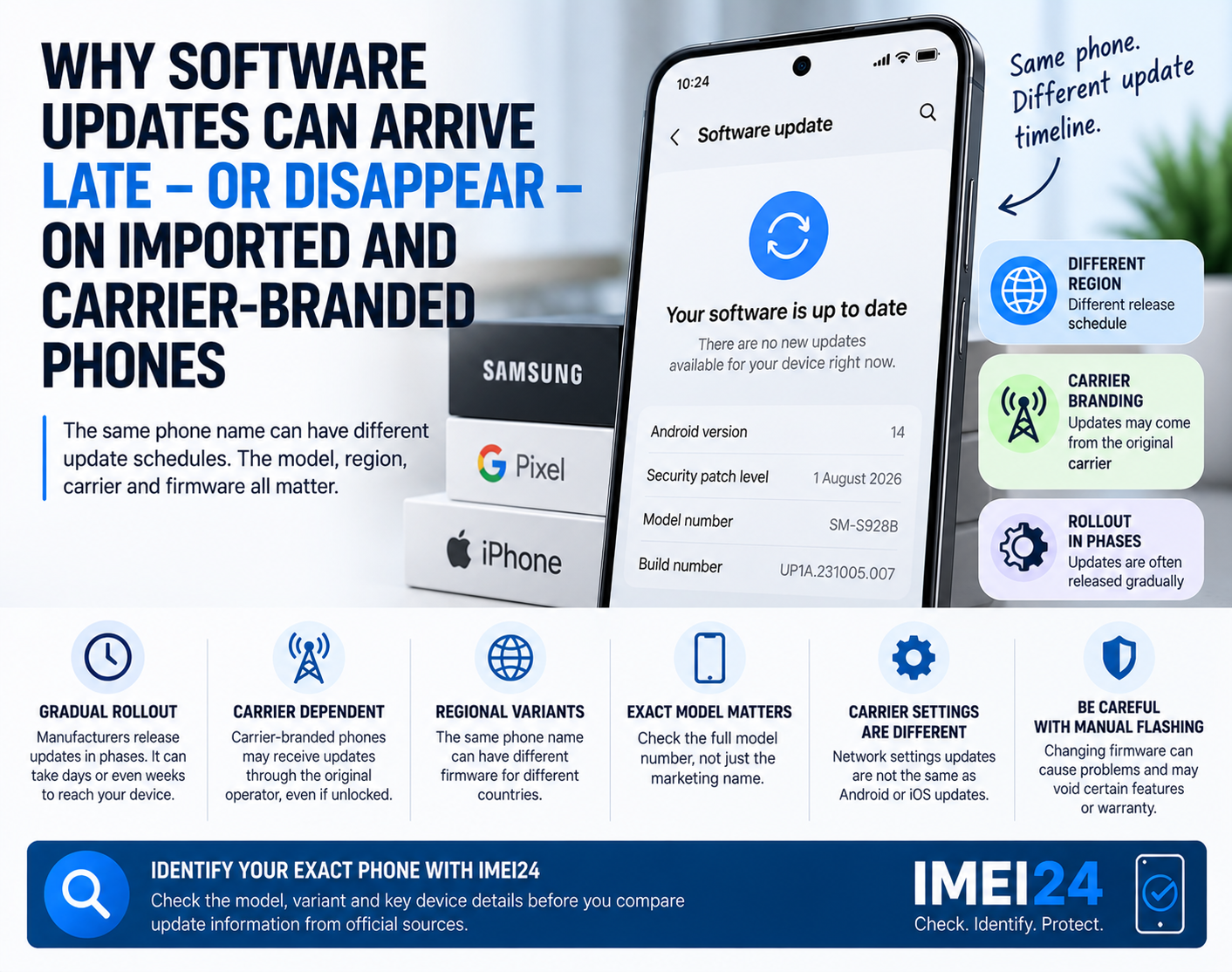
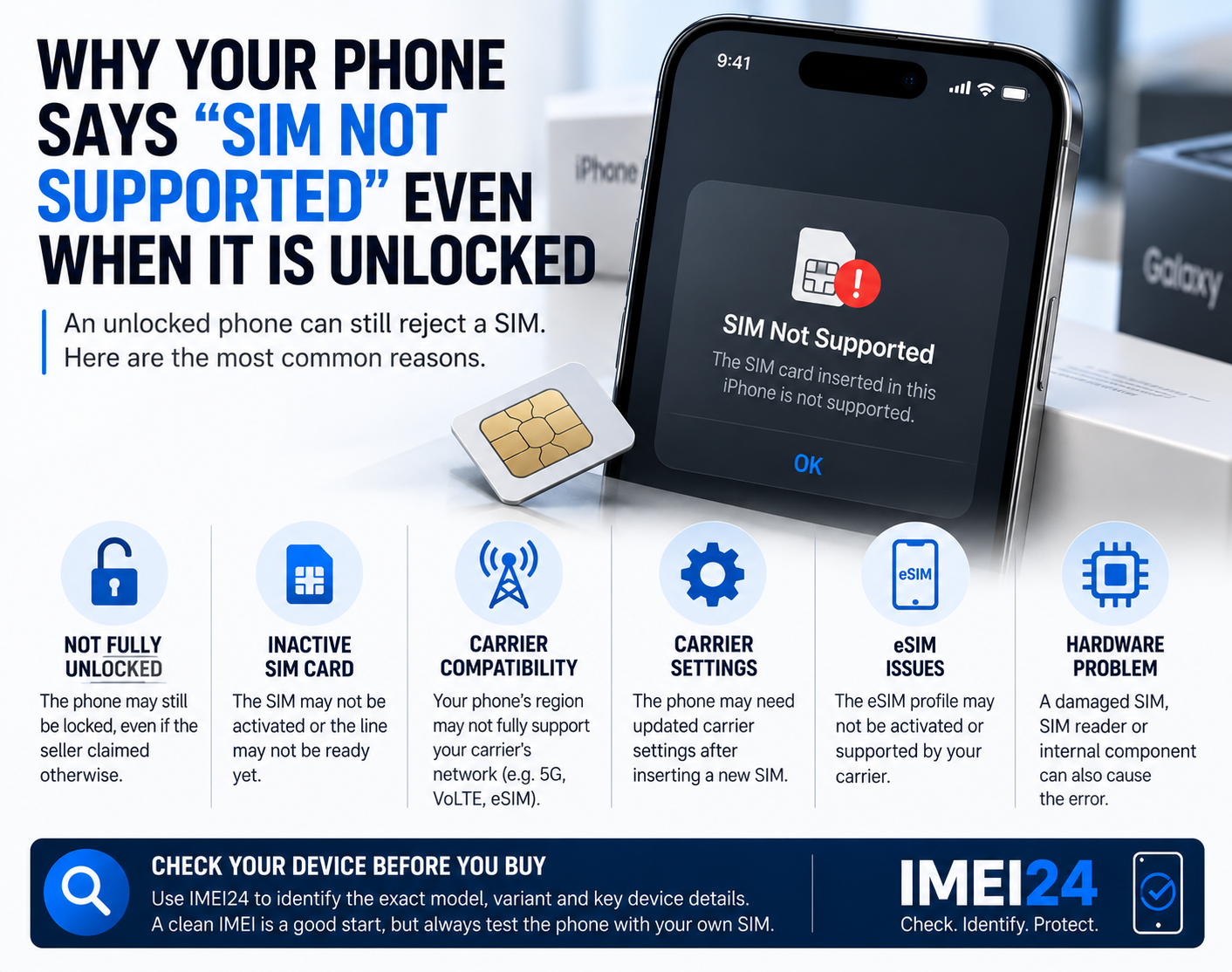
Although account locks are now more common, traditional SIM locks still exist in some regions and carriers.
A SIM lock restricts the device to one mobile network until it is officially unlocked.
This type of restriction mainly affects:
• imported smartphones
• carrier-financed devices
• older phones from specific operators
Unlocked phones offer much more flexibility for international use and resale.
Why second-hand buyers face these problems most often
The used smartphone market is growing rapidly. Millions of devices change owners every year, but many users still do not verify lock status before purchase.
A phone may look completely functional physically while remaining unusable after reset.
This is why buyers should always check:
• account status
• activation lock presence
• Google or Mi Account removal
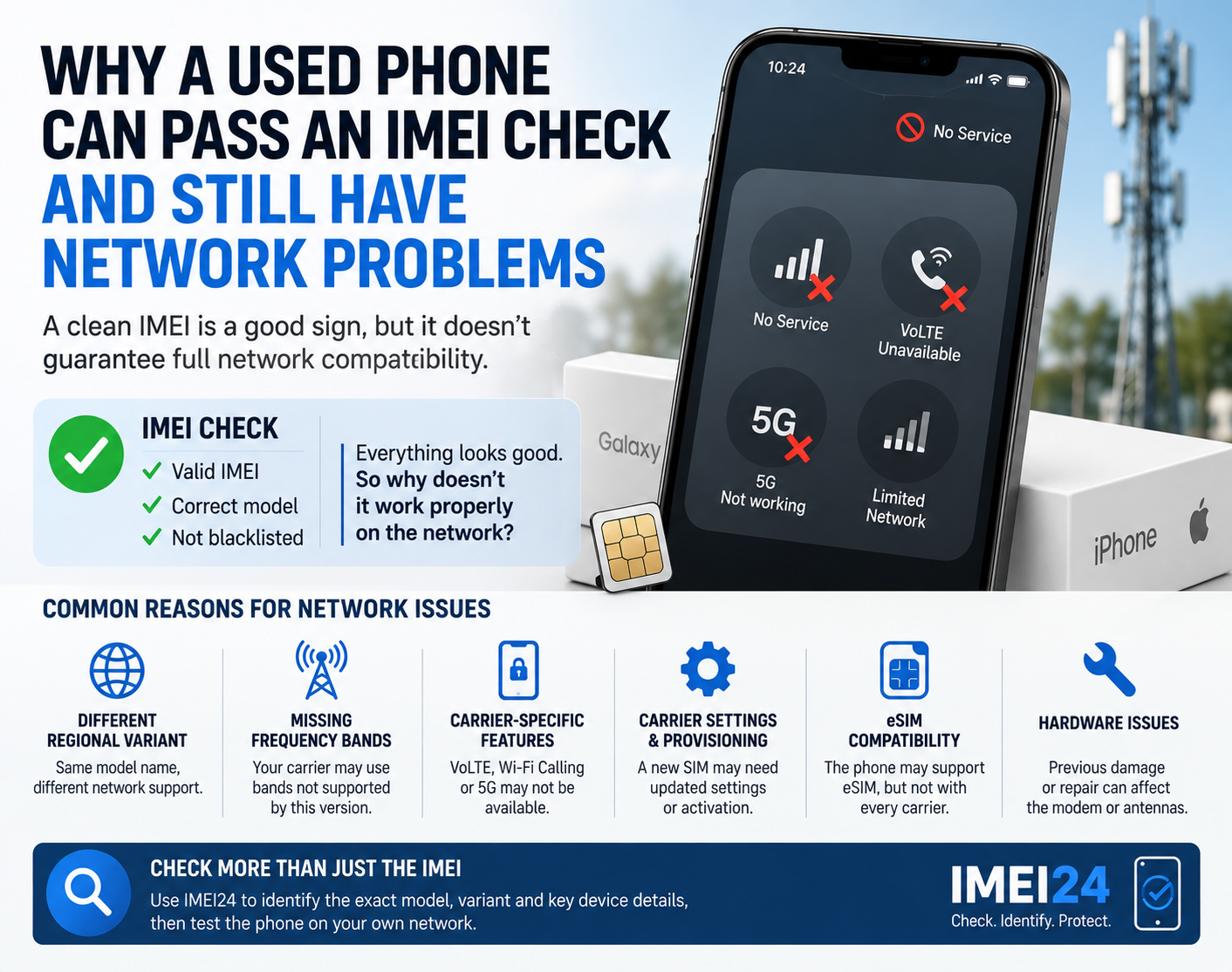
• IMEI and blacklist information
Security vs usability
Modern smartphone locks create a difficult balance between protection and convenience.
From the manufacturer’s perspective, these systems significantly reduce theft and unauthorized resale. However, legitimate users can also become locked out accidentally.
This is especially common when passwords are forgotten or used devices are sold improperly.
Why awareness matters in 2026
As smartphones become more connected to personal identities and cloud services, security systems continue to grow stronger every year.
Understanding how these locks work is now essential for anyone buying, selling, or resetting smartphones.
Final thoughts
Smartphone security locks are no longer rare technical issues - they are now part of everyday mobile device ownership.
Whether it is Samsung FRP, Xiaomi Mi Account lock, or traditional network restrictions, users should always verify device status before purchase or reset.
In today’s smartphone market, a few minutes of verification can prevent hours of frustration later.